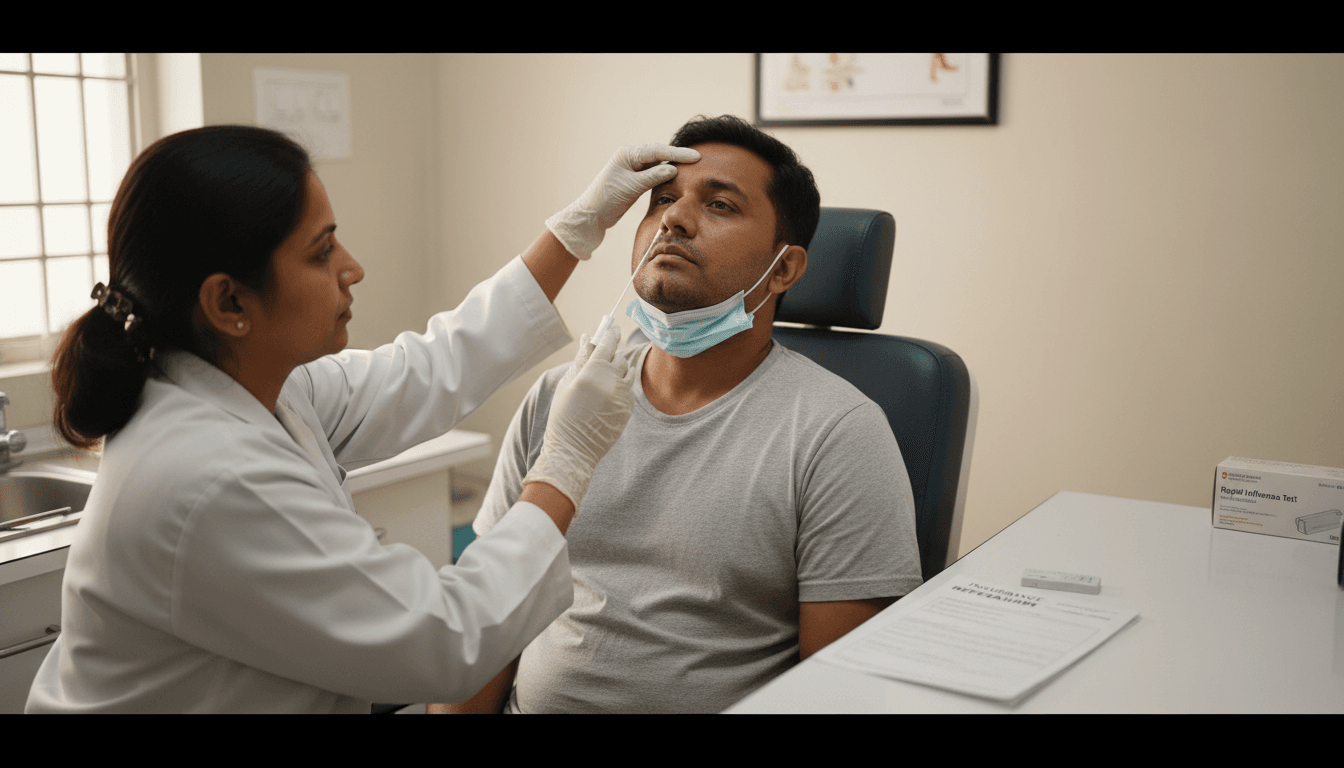
Yes. Health insurance may cover treatment for H3N2 if the infection leads to hospitalisation. But like all other health insurance claims, reimbursement is subject to your policy terms, which may include waiting periods, room-rent caps, sub-limits, deductibles, co-payments, and exclusions.
In the case of outpatient treatment for H3N2 infections, such as consultations in the OPD, H3N2 tests, and medications taken at home, they will be covered by your health policy only if it includes OPD benefits. Otherwise, you have to pay out of pocket.
What H3N2 treatment costs are covered by health insurance?
The H3N2 virus is a type of influenza A virus and is common during the flu season. A health insurance plan usually covers H3N2 in the same way it covers other viral infections.
Below is a list of H3N2 treatment costs that are commonly covered by health insurance.
H3N2 treatment expense | Is it usually covered under health insurance? |
|---|---|
Inpatient hospitalisation | Yes, if the claim is admissible |
ICU charges | Yes, if medically necessary |
Doctor visits during admission | Yes, if part of hospitalisation |
Medicines, oxygen support, nebulisation, and injections | Yes, if part of admissible treatment |
Diagnostic tests during admission | Yes, if related to treatment |
Pre-hospitalisation and post-hospitalisation expenses | Yes, if your policy includes them |
OPD consultation and at-home medicines | Only if the plan has OPD cover |
Which costs of H3N2 treatment are not covered by health insurance?
Not all of the H3N2 treatments can be covered by health insurance. The following list presents some cases when it could be partially or fully rejected.
Situation | Likely claim outcome |
|---|---|
You visit a doctor, take medicines, and recover at home | Not payable under a hospitalisation-only policy |
You buy a new policy after fever and cough have started | May be rejected |
The hospital bill includes gloves, masks, registration fee, or non-medical consumables | Often partly disallowed |
You choose a room above your room rent limit | May be partly paid |
The admission is mainly for observation without medical necessity | May be rejected |
The hospital is not recognised under the policy terms | May be rejected or restricted |
Does health insurance waiting period influence H3N2 claim approval?
Yes. Your H3N2 claim may be approved depending on the time you purchased health insurance coverage and the existence of any waiting period.
Policy timing | How it affects an H3N2 claim |
|---|---|
Policy bought long before symptoms | Usually treated as a fresh illness episode |
Policy bought after symptoms started | High rejection risk |
H3N2 worsens a declared pre-existing disease | The pre-existing disease waiting period may matter |
Continuous coverage completed for 36 months | The pre-existing disease waiting period should not exceed this period |
Every health insurance policy comes with its own waiting period rules. Learn how initial, pre-existing disease, and specific illness health insurance waiting periods work before you buy a plan.
New policy timing matters
Do not buy a fresh health insurance policy after H3N2 symptoms begin and assume the current illness will be paid immediately. A new policy can still apply waiting periods, exclusions, and underwriting rules to an illness that has already started.
How do you file a health insurance claim for H3N2 treatment?
Inform the insurance company
In case of emergency admission, contact the insurer immediately as per the timeline in your health policy. In case of planned admission, get a pre-authorisation before being admitted to the hospital if possible.
Gather all medical and claim documentation
Ensure that the medical documentation shows the reasons for the need for hospitalisation due to H3N2 or its complications.
Keep all hospital documents and bills
While discharging yourself from the hospital, get the final bill, discharge report, pharmacy bill, test reports, and all receipts as proof of payment.
Understand the deductions
In case of any deductions, understand the reason for the same. Deductions may be made for non-medical expenses, room rent cap, absence of prescriptions, and expenses beyond the policy limits.
If your health insurance plan includes a deductible, it's very important for you to know how it affects your claim amount. So, learn everything you need to know about deductibles in health insurance.
What documents do you need to file a health insurance claim for H3N2?
Document | What it's for |
|---|---|
Claim form | Includes your policy details, personal information, and bank account details for the claim. |
Doctor's prescription or admission advice | Confirms that the treatment or hospital admission was recommended by a doctor. |
Investigation reports | Confirm the diagnosis and any related complications. |
Discharge summary | Gives an overview of your diagnosis, treatment, and hospital stay. |
Itemised hospital bill | Lists all the hospital charges separately. |
Pharmacy bills and receipts | Show the medicines and medical supplies purchased during treatment. |
Payment receipts | Confirm that the hospital bills have been paid. |
Policy and identity documents | Help verify your policy details and identity. |
Key Takeaways
Non-medical consumption costs, expenditure beyond the room rent limit, invalid tests, and costs exceeding the coverage limit are some common deductions from health insurance claims.
The Pre-existing Diseases Waiting Period is capped at 36 months, with a Moratorium Protection of up to 60 months, except in cases of fraud or permanent exclusion.
For claiming purposes, the medical records need to clearly mention the diagnosis, reasons for admission, treatment received, cost details, and discharge information.
Frequently asked questions
In general, health insurance covers H3N2 treatment if hospitalisation is required. However, if you receive an outpatient consultation with your physician and take medications or undergo tests for the flu, your expenses can be reimbursed if your plan includes OPD coverage.
Yes, ICU treatment for H3N2 is covered if H3N2 causes serious complications and your doctor prescribes it.
Yes. It is possible to get cashless health insurance treatment if you have been admitted to a network hospital and your health insurance provider has approved your request. Otherwise, you will have to pay the bills first and file a claim later.
Yes. H3N2 treatment can be claimed by both children and senior citizens as long as they meet the necessary criteria.
About the authors

Neviya Laishram
Written by · Senior Editor – Health, Life and Group Health Insurance Content at ACKOWith a journalism background, she brings 9 years of experience in strategising and editing health, life, and group health insurance content. Having written for magazines and digital publications, she combines research and editorial expertise to create credible, useful content for readers.

Dr Nitin Kumar Gupta
Reviewed by · SVP – Health Underwriting & Claims at ACKO General InsuranceWith 20+ years of experience in digital transformation and growth, he is a leader specialising in health, life, accident, and disability insurance. Backed by an MBBS degree and insurance designations (FLMI, FALU, FLHC, ACS, ARA), he combines expertise with leadership.