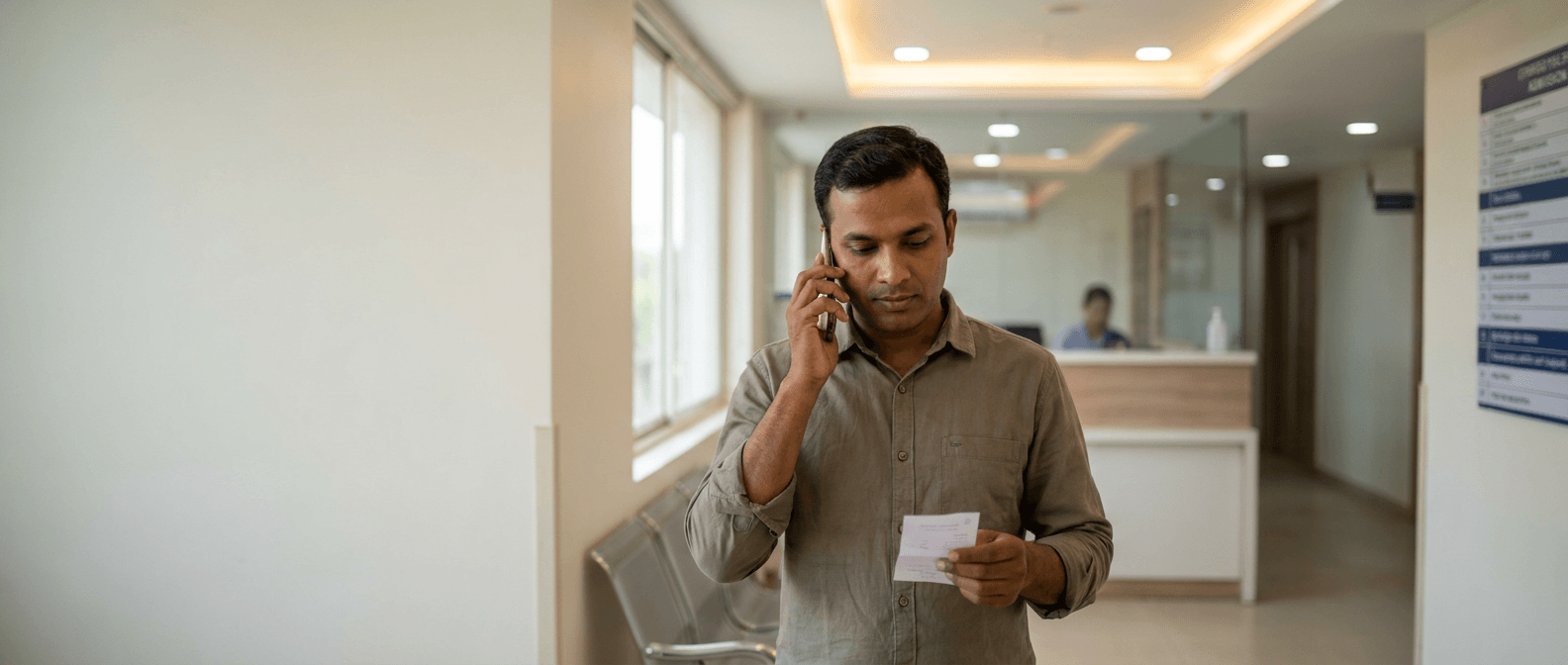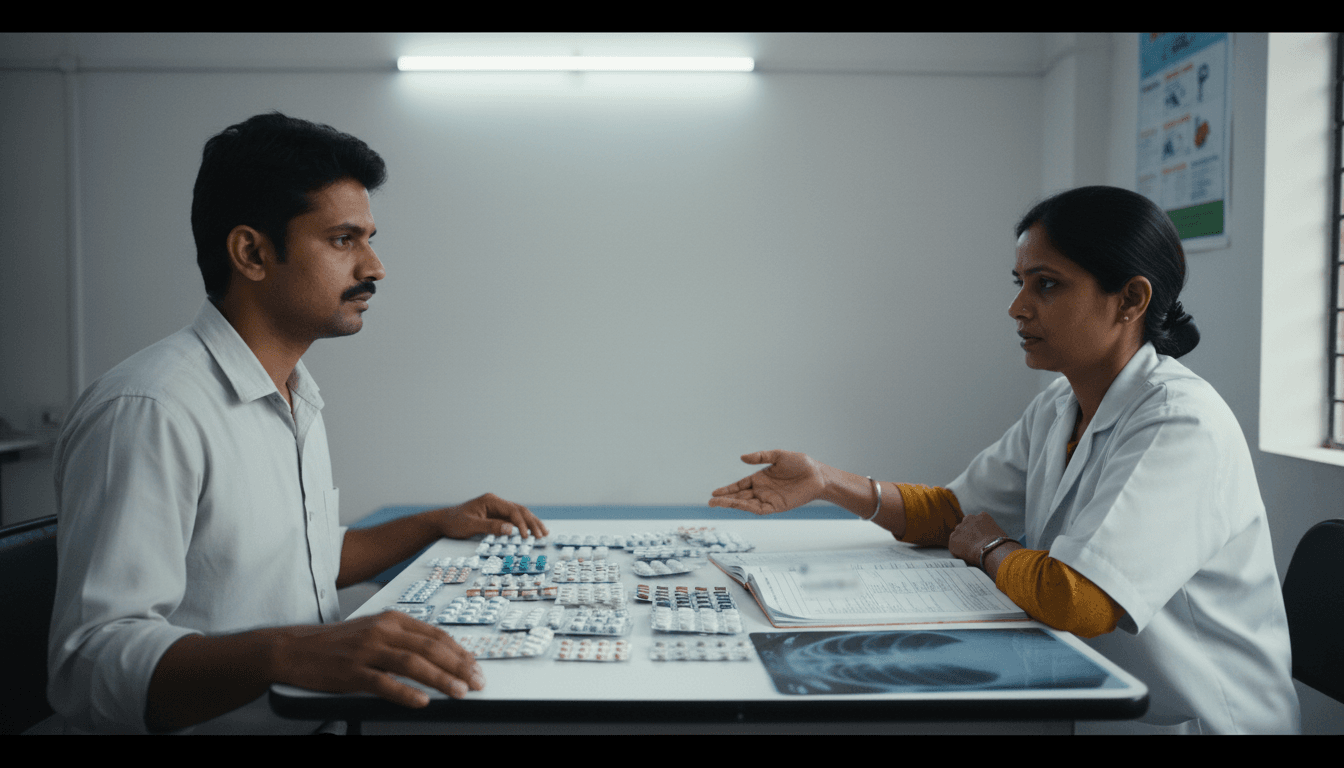
Health insurance for TB patients is available in India. However, insurers may review your current or past history of tuberculosis while assessing your application, and this may affect the premium or other policy terms. A TB-related claim is payable only if the policy conditions, waiting periods, and disclosure requirements are satisfied.
Can TB patients get health insurance in India?
Yes, a person who has had or has TB may submit their health insurance application in India. But please note that the insurance company's decision depends on its assessment of the medical record. An insurance company may ask for medical test results, medical history, recovery status, and prescriptions to get an idea before deciding upon the terms of the policy.
The extent of insurance coverage will vary based on an individual's TB status at the time of a health insurance application. Someone who is TB-free might be offered a standard or modified policy, whereas someone with TB might expect a delay until treatment is completed, a premium increase, a rider for a specific illness (permissible under the policy terms), or a claim rejection.
| TB status when applying | Likely insurance treatment | What you should do |
|---|---|---|
| Active TB under treatment | Delaying the proposal, requesting additional medical tests, increasing the insurance rate, imposing certain conditions, or rejecting the proposal could be responses from the insurance company. | Reveal your illness, the starting time of treatment, medications taken, sputum or X-ray report, and doctor's recommendation. |
| Past TB treated within the last 36 months | TB may be classified as a pre-existing condition if it was detected or treated before the policy commencement date. The maximum waiting period that is permitted for pre-existing diseases, according to IRDAI guidelines, is 36 months. | Provide discharge records, certificates of treatment completion, and follow-ups. |
| Past TB treated more than 36 months ago | Despite the 36-month standard look-back period for pre-existing conditions, the insurance company might still ask questions on the illness as part of your medical history. | Declare the old TB history and attach recovery records if available. |
| No TB history, TB diagnosed after buying the policy | The claim is assessed under the policy terms, waiting periods, exclusions, sub-limits and sum insured. | Keep the diagnosis reports, admission notes, bills, prescriptions and discharge summary for the claim. |
If you want to cover your entire family under one plan, a family floater health insurance policy can include members with a history of TB, subject to declaration and underwriting rules.
What is covered by health insurance for TB treatments?
If TB treatment is an eligible medical expense under the health insurance policy, it will be covered. In most regular indemnity health insurance plans, hospital expenses are the main part that you can claim. In addition to OPD, pre and post-hospitalisation, domiciliary treatment or other benefits, a policy will also cover outpatient visits, routine tests and medicines if it has such clauses.
| TB expense | Usually covered when | Common reason it may not be paid |
|---|---|---|
| Inpatient hospitalisation | You are admitted to hospital and the illness is not excluded or still under a waiting period. | The claim relates to an undisclosed pre-existing TB condition or falls within the policy waiting period. |
| Pre-hospitalisation tests | Your policy covers pre-hospitalisation expenses and the tests are linked to the later hospitalisation. | The test is not linked to an admissible hospitalisation claim or is outside the policy's covered time window. |
| Post-hospitalisation medicines and follow-up | Your policy covers post-hospitalisation expenses and the medicines are linked to the admissible TB admission. | The expense is outside the covered period or the policy does not include post-hospitalisation benefits. |
| OPD doctor visits | Your policy has an OPD benefit and the limit has not been exhausted. | Most basic hospitalisation policies do not pay routine OPD costs unless OPD cover is included. |
| Domiciliary treatment at home | Your policy covers domiciliary treatment and the conditions in the policy wording are met. | Home treatment is not covered, or the medical need for home treatment is not established under the policy wording. |
| Nutrition, travel and attendant costs | Only if the policy specifically lists such benefits. | These are commonly treated as non-medical or non-payable expenses unless expressly covered. |
Disclosure matters
Do not hide a current or past TB diagnosis when buying health insurance. Non-disclosure of a known illness can lead to claim rejection, especially if the hospital records show that TB existed before the policy started.
Do waiting periods apply to TB treatments under Health Insurance?
The most crucial waiting period for TB patients is the pre-existing disease waiting period. At present, IRDAI health insurance regulations stipulate that 36 months of uninterrupted coverage constitute the maximum permissible waiting period for pre-existing diseases.
The pre-existing disease is defined by IRDAI as conditions diagnosed, treated, or medically advised within 36 months prior to the policy start date. If TB falls within that definition in your situation, the insurer may impose the policy's pre-existing disease waiting period before settling TB-related claims.
| Waiting period or rule | Number to check | What it means for a TB patient |
|---|---|---|
| Pre-existing disease waiting period | Maximum 36 months under current IRDAI rules | If TB was a pre-existing disease, TB-related claims may not be paid until this period is completed. |
| Specific disease waiting period | Policy-specific, but IRDAI caps specified disease or treatment waiting periods at 36 months | If the policy lists a disease-specific waiting period that applies to TB or related complications, the listed rule applies within the regulatory cap. |
| Initial waiting period | Printed in the policy schedule | Non-accident illnesses diagnosed immediately after buying the policy may be excluded during this early period if the policy says so. |
| Moratorium period | 60 months of continuous coverage | After 60 months, no health insurance policy and claim can be contested on grounds of non-disclosure or misrepresentation, except for established fraud, according to IRDAI rules. |
Learn how waiting periods in health insurance work and when you can start making claims under your policy.
How to check if your health policy covers TB treatment?
If you are diagnosed with TB and are already covered by health insurance, the best strategy is to continue your policy and go over its full benefits instead of relying on the assumption that TB-related expenses will be covered under any circumstances. In practice, the insurer's risk has already been accepted subject to policy terms.
You should mainly check these components of the health insurance policy:
Coverage under initial/different/pre-existing disease waiting period, if applicable. Check the 'waiting-period section' as this information is very likely to be located there.
Check for any applicable diseases/conditions excluded from coverage, which might invalidate the claim.
Benefits such as pre-hospitalisation, post-hospitalisation, OPD, and domiciliary expenses coverage. Check the 'benefits section' to know what kind of treatment expenses you can claim for.
Claim conditions consist of hospital network rules, cashless approval procedures, intimation timings, and documentary requirements. Look them up and get an idea of how much you will need to be involved when claiming your coverage.
Renewals also play a significant role in protection. In accordance with the IRDAI regulations, health insurance policies cannot be contested after 60 months, the only exception being cases where the fraud has clearly been committed and proven.
How to claim health insurance for Tuberculosis (TB) treatment?
Choose cashless or reimbursement
Confirm if the hospital is part of the insurer's cashless network. If yes, request the hospital insurance desk to send a pre-authorisation request before or during admission.
Submit the admission details
Provide the policy number, illness, admission recommendations, expected cost, investigation reports, and notes from the attending doctor to the insurer or third-party administrator.
Collect medical and billing documents
Keep your medication prescriptions, lab test results, doctors' explanations, sputum, radiology reports, and all related bills, including those for medication, daily inpatient stay, payment receipts, discharge summary, etc.
File the final claim
To be reimbursed, submit the claim form and original documents within the time frame indicated in your policy. For claims where cash is not used, settle any expenses that cannot be paid directly to the hospital.
Answer insurer queries
If the insurer requests TB records or treatment history, provide them with complete documentation. This is especially important where the claim may involve a pre-existing disease question.
Documents required to make a health insurance claim for TB treatment
For a new proposal that has been TB-positive previously, the primary documents are those that serve as evidence to support the diagnosis, describe the course of treatment and recovery, and confirm the current health condition.
| Document | What it shows | Why the insurer may ask for it |
|---|---|---|
| Doctor's diagnosis note | Type of TB, affected organ and date of diagnosis | To understand whether TB is pulmonary, extra-pulmonary, active, old or recurrent |
| Prescription and treatment record | Medicines prescribed and treatment duration | To check whether treatment was completed or is ongoing |
| Lab and imaging reports | Test results such as microbiology, sputum, radiology or other relevant investigations | To assess current disease status and severity |
| Discharge summary | Hospitalisation details, complications and final diagnosis | To assess past inpatient care and complications |
| Treatment completion or follow-up note | Doctor's view on recovery, relapse risk and follow-up plan | To decide whether the application can be accepted now or postponed |
Key takeaways
While TB patients in India have the option to apply for health insurance, active or former TB may affect underwriting, premiums, exclusions, postponements, or acceptance.
With the policy in place, the cost will be covered, the disease is not excluded, and the waiting period is completed; TB hospitalisation will be a claimable situation.
According to IRDAI health insurance guidelines at present, the waiting period for pre-existing illnesses is 36 months continuously.
OPD, after-hospitalisation, domiciliary or any other similar benefit should be available to provide outpatient TB medications, regular consultation and follow-up treatment.
Not disclosing a previous diagnosis of TB may lead to rejection of the claim, especially when hospital records suggest that TB existed prior to the policy start date.
The National Tuberculosis Elimination Program is the public scheme of TB diagnosis and treatment in India.
Frequently asked questions
Yes, a person is generally allowed to apply if he/she has completely recovered from tuberculosis. Nevertheless, it's quite possible that the insurance company can ask for documents
If the patient had already been diagnosed with, or had received treatment for, active TB at the time of taking out the health insurance policy, and in the policy, the pre-existing illness is defined in a way to include such a disease, the insurer will first apply the waiting period for pre-existing conditions that is laid down in the policy document.
When TB is diagnosed for the first time after insurance, the claims department may scrutinise the claim in light of the policy conditions. While it is possible to secure a claim, approval will also hinge on several factors: the plan's standard waiting period at the time of enrollment, special waiting periods, excluded conditions, sub-limits, or even insufficient documents.
Most ordinary health insurance plans focus heavily on hospital admissions. Medicines needed for TB on a regular basis are usually reimbursed only if the insured is covered under the OPD benefit, post-hospitalisation, domiciliary treatment coverage, or some other cover that specifically includes these types of costs.
If the present medical risk is outside the underwriting rules of the insurer the proposal can be declined. It can also postpone the proposal until the treatment is complete, request additional documents or propose adjusted terms.
Yes, you have to disclose any past TB infection when you purchase health insurance, as it is always important to be honest with your insurer to avoid future problems with claims or cancellations.
About the authors

Neviya Laishram
Written by · Senior Editor – Health, Life and Group Health Insurance Content at ACKOWith a journalism background, she brings 9 years of experience in strategising and editing health, life, and group health insurance content. Having written for magazines and digital publications, she combines research and editorial expertise to create credible, useful content for readers.

Dr Nitin Kumar Gupta
Reviewed by · SVP – Health Underwriting & Claims at ACKO General InsuranceWith 20+ years of experience in digital transformation and growth, he is a leader specialising in health, life, accident, and disability insurance. Backed by an MBBS degree and insurance designations (FLMI, FALU, FLHC, ACS, ARA), he combines expertise with leadership.