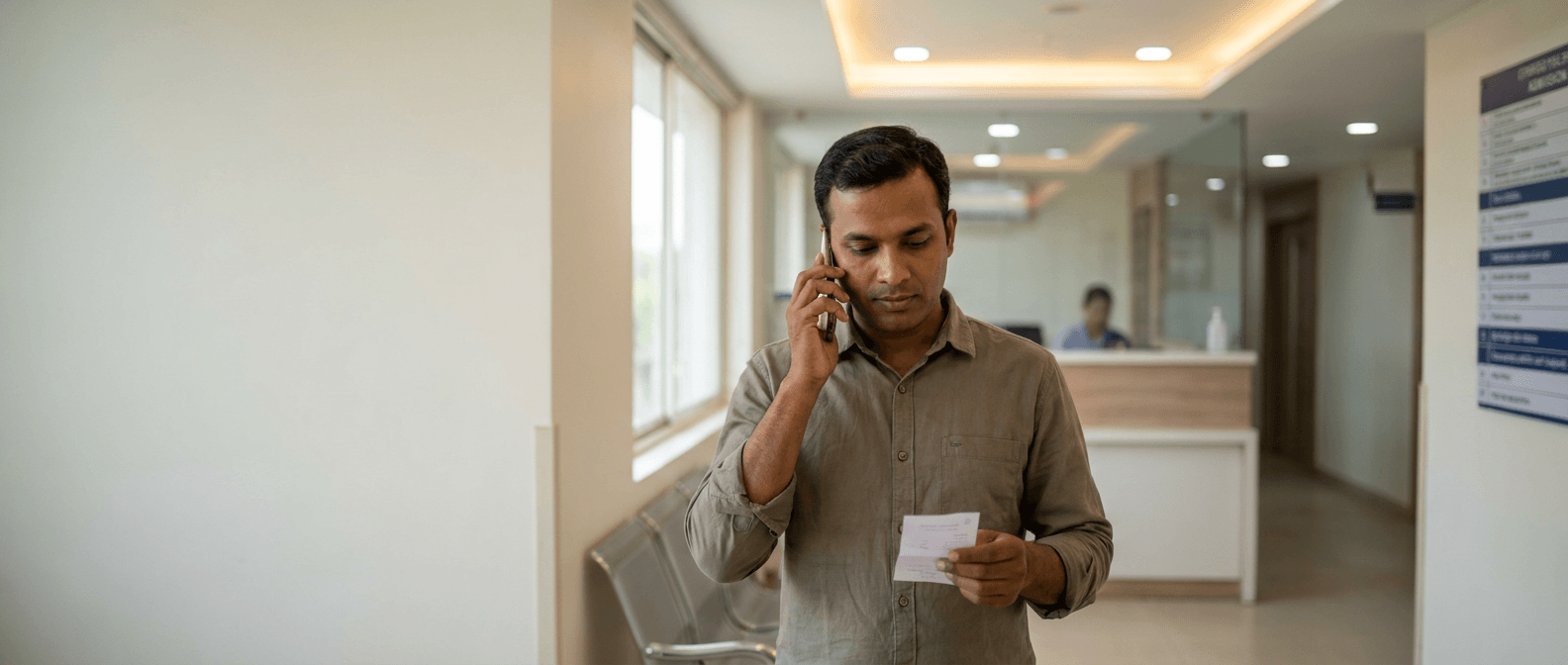
Is it mandatory for an Individual to Buy Health Insurance?
No. Health insurance is not legally mandatory for everyone in India, but it is considered an absolute necessity. In India, buying health insurance coverage for yourself or your family is a personal choice. This means the decision is yours, your family, and your budget.
When is Health Insurance Mandatory in India?
Health insurance is not mandatory for most people in India. However, it may be required or provided in certain situations, such as visa applications, specific employment arrangements, or as part of a lender's requirements.
| Situation | Is health coverage required? | Why |
|---|---|---|
| Applying for some visas | Often yes | Many countries require travel medical insurance before granting a visa. (e.g., Schengen visas). |
| Working in a covered job | Yes, under the ESI Act | Workers earning up to ₹21,000 a month are eligible for this medical benefit. |
| Joining a company that gives it | Cover is provided by the employer | Many employers offer group health insurance as part of their employee benefits package. |
Why Should You Buy Health Insurance?
The effect of not having health insurance is immense. You have to pay every medical expense from your personal expenses. Whether it is a planned operation, a few days in hospital, or a serious illness. Thus, health insurance is an important form of financial protection, even though it is not mandatory in India.
According to the National Health Accounts (NHA) estimates, out-of-pocket spending accounted for 39.4% of India's total health expenditure in 2021–22, down from 64.2% in 2013–14.
Some of the reasons to buy health insurance include:
It helps pay for medical expenses. A health insurance plan covers your hospitalisation and surgical expenses, among other medical bills.
Most health plans allow cashless treatment at network hospitals in case of medical emergencies.
You can cover your whole family under one plan. A family floater policy allows multiple family members to share the same sum insured, making it a convenient option for families.
You may get free preventive health check-ups. Most health insurance plans include annual health check-ups and other preventive healthcare benefits.
Buying early can save you money. If you buy health insurance at a younger age, you're more likely to pay lower premiums and face fewer restrictions related to pre-existing conditions.
The premium you pay qualifies for a deduction under Section 80D of the Income Tax Act. You can claim up to Rs 25,000 a year for yourself and your family, and another Rs 50,000 if you also pay for senior-citizen parents.
A group health insurance plan from your employer can end when you leave your job, so many people also keep a personal health policy of their own.
Things to Check Before Buying Health Insurance
If you decide to buy health insurance, here’s what to check:
Sum insured: This is the maximum amount the insurer will pay in a policy year. Choose a sum insured that reflects healthcare costs in your city, rather than simply picking the cheapest plan.
Waiting period: Prior to choosing any particular policy, you need to know the waiting period before the coverage for pre-existing diseases and specific treatments starts.
Type of plan: Think about who you want to cover. Individual plans cover one person, while family floater plans cover your entire family within one common sum insured.
Cashless hospitals: It is important that the hospitals around you are covered under the insurer's network for cashless treatment.
Inclusions and exclusions: Review what the policy covers and, just as importantly, what it does not cover. This will help you avoid surprises at the time of a claim.
Conclusion
Even though there is no law requiring you to buy a policy, having health insurance is critical when faced with a medical emergency. The cost of hospitalisation and treatment can run into lakhs, and without a health plan, those expenses have to be paid from your own savings. Consider buying a health plan when you are young and healthy to get lower premiums and complete waiting periods early.
Frequently asked questions
If you do not have health insurance, you will have to pay all the expenses of your hospitalisation and other costs out of your pocket.
Often yes. yes. In some countries, there is a requirement to have medical insurance to issue a visa. And the cover only needs to last for the duration of your trip abroad.
Yes, young and healthy individuals in India absolutely need health insurance. It is because medical emergencies are unpredictable.
Car insurance protects other people you might harm on the road, so the law demands it. On the other hand, health insurance covers you; thus, it depends on your choice.
About the authors

Neviya Laishram
Written by · Senior Editor – Health, Life and Group Health Insurance Content at ACKOWith a journalism background, she brings 9 years of experience in strategising and editing health, life, and group health insurance content. Having written for magazines and digital publications, she combines research and editorial expertise to create credible, useful content for readers.

Nitesh Kapur
Reviewed by · Senior Director – Underwriting & Claims, Group Health Insurance at ACKOWith over 15 years of experience in health insurance underwriting, he has led group health insurance strategy, risk assessment, and policy design. He has held leadership roles at leading insurers, building risk frameworks, evaluating complex health risks, and strengthening underwriting standards.