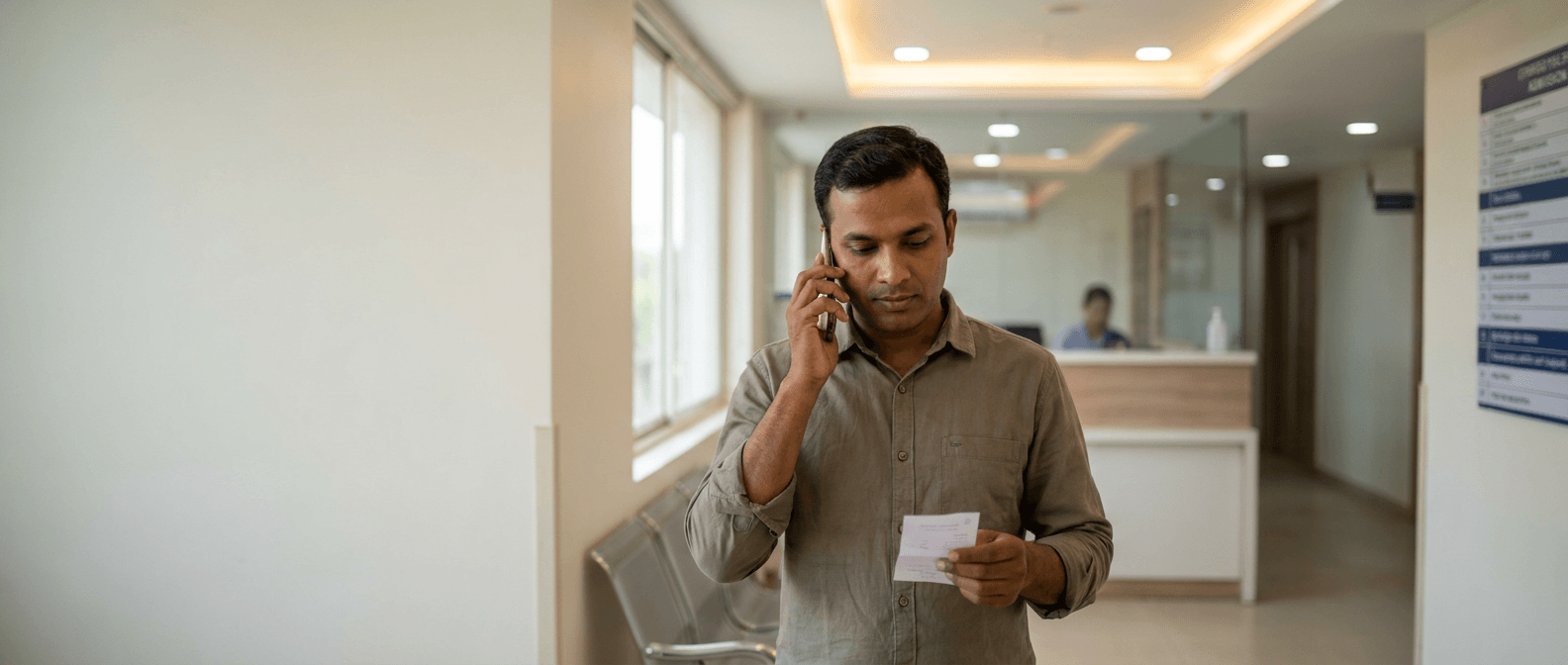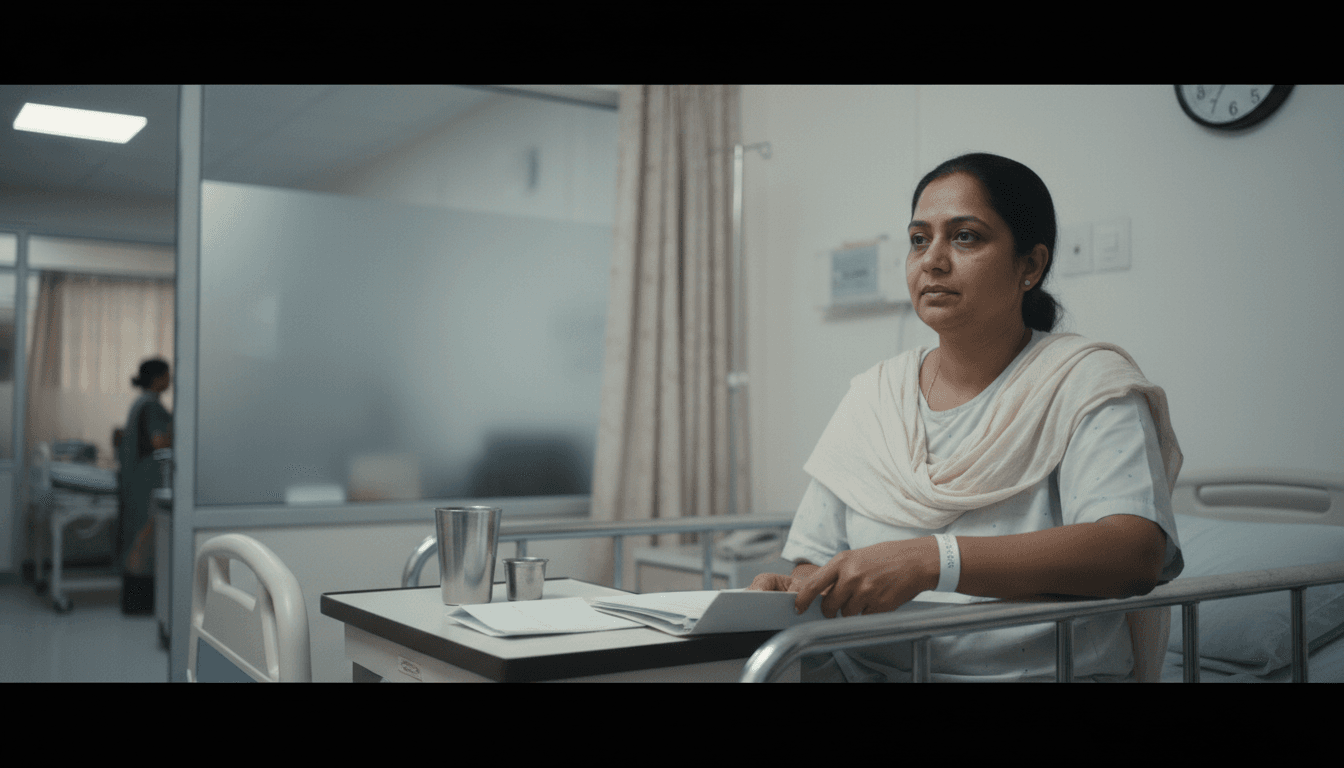
24-hour hospitalisation means being formally admitted to a hospital as an inpatient for at least 24 continuous hours to receive medical treatment. In health insurance, this duration is commonly used to determine whether a treatment qualifies as inpatient hospitalisation.
However, the 24-hour rule does not apply to all types of treatments. Some treatments can be completed in less than 24 hours and may still be covered under the policy as day care treatments.
How are different hospital visits and treatments classified in health insurance?
Below is an example of how various hospital visits and treatments are generally categorised under a health insurance policy.
Situation | How it may be treated |
|---|---|
Appendix surgery with a 2-day admission | This is generally treated as inpatient hospitalisation since the patient is formally admitted for more than 24 hours. |
Cataract surgery completed in 6 hours | This may be covered as day care treatment if the procedure is covered under the policy. |
Emergency observation for 8 hours | This may not qualify as a regular hospitalisation claim. Coverage will depend on whether an applicable emergency, OPD, or other benefit is available. |
OPD consultation without hospital admission | This does not count as inpatient hospitalisation. It may be covered if the policy includes OPD cover. |
Diagnostic tests before admission | These may be covered as pre-hospitalisation expenses if they are related to an admissible hospitalisation claim. |
Medicines bought after discharge | These may come under post-hospitalisation cover if they are related to an admissible claim and covered under the policy. |
How is the 24-hour hospitalisation rule applied to health insurance claims?
The 24-hour rule is verified as a part of the claim verification process. This may vary from one type of claim to another.
In the case of a cashless health insurance claim, the hospital sends a pre-authorisation request to the insurance company or third-party administrator. The insurer assesses your admission and treatment details, including the duration of your hospital stay. If the treatment takes less than 24 hours, the insurer checks whether it qualifies as a day care procedure.
In the case of a reimbursement claim, you pay the hospital expenses and later apply for reimbursement. In such a situation, you may have to provide the discharge report, hospital bills, payment receipts, investigative reports, and medical records.
What should you do before filing a health insurance claim?
Before filing the claim, make sure you have the required documents ready and check how your treatment is covered.
Check your discharge summary
Your discharge summary should clearly state the dates and times of hospital admission and discharge, as well as the diagnosis and treatment received.
Check whether it is hospitalisation or day care
If you have been hospitalised for less than 24 hours, verify whether your treatment falls under day care or not. If you are unsure, you can contact your insurer.
Keep your medical documents
Keep the final hospital bill, itemised bill, payment receipt, prescriptions, investigation report, and pharmacy bills. In case any implants were used, you may also need the relevant implant documents
Check the claim submission timeline
For a reimbursement claim, check the timeline mentioned in your policy and make sure you submit the required documents within that period.
Read more to learn everything about daycare treatments in health insurance.
Does the 24-hour hospitalisation rule in health insurance apply to accidents and emergencies?
Yes, the 24-hour rule can also apply if you are hospitalised because of an accident or emergency.
Suppose you meet with an accident and are admitted to the hospital for more than 24 hours. The treatment may be covered under the hospitalisation benefit if it meets the criteria in your policy. However, visiting the emergency department does not necessarily imply hospitalisation. This means that even if you have received stitches, medication, or any form of emergency care and have left the hospital after some time, it may not qualify as a regular hospitalisation claim under a health insurance plan.
Key Takeaways
A standard hospitalisation claim requires a minimum of 24 continuous hours of inpatient stay.
If a covered treatment can be completed within less than 24 hours, it can be covered under the day-care treatment category.
OPD, emergency observation, or diagnostic tests done without hospitalisation are not considered hospitalisation.
Frequently asked questions
No. Staying in a hospital for 24 hours does not mean your claim will be approved. The hospitalisation should be medically necessary, and the treatment should be covered under your health insurance policy. Health insurance waiting periods, exclusions, deductibles, sub-limits and other policy conditions can also affect the claim.
Usually, the 24-hour period is determined by the admission and discharge times in your hospital records.
Not really. Day care and OPD treatment are not the same under health insurance. In the case of daycare treatment, hospitalisation is required, but the patient can be discharged within 24 hours, as the procedure does not require a longer hospital stay. OPD treatment usually involves consultations, tests or treatments without inpatient hospitalisation.
Pre- and post-hospitalisation expenses are generally connected to an admissible hospitalisation or day-care claim. If your main claim is rejected, the related pre- and post-hospitalisation expenses may also not be payable. This will depend on the coverage and terms of your health insurance policy.
About the authors

Neviya Laishram
Written by · Senior Editor – Health, Life and Group Health Insurance Content at ACKOWith a journalism background, she brings 9 years of experience in strategising and editing health, life, and group health insurance content. Having written for magazines and digital publications, she combines research and editorial expertise to create credible, useful content for readers.

Dr Nitin Kumar Gupta
Reviewed by · SVP – Health Underwriting & Claims at ACKO General InsuranceWith 20+ years of experience in digital transformation and growth, he is a leader specialising in health, life, accident, and disability insurance. Backed by an MBBS degree and insurance designations (FLMI, FALU, FLHC, ACS, ARA), he combines expertise with leadership.