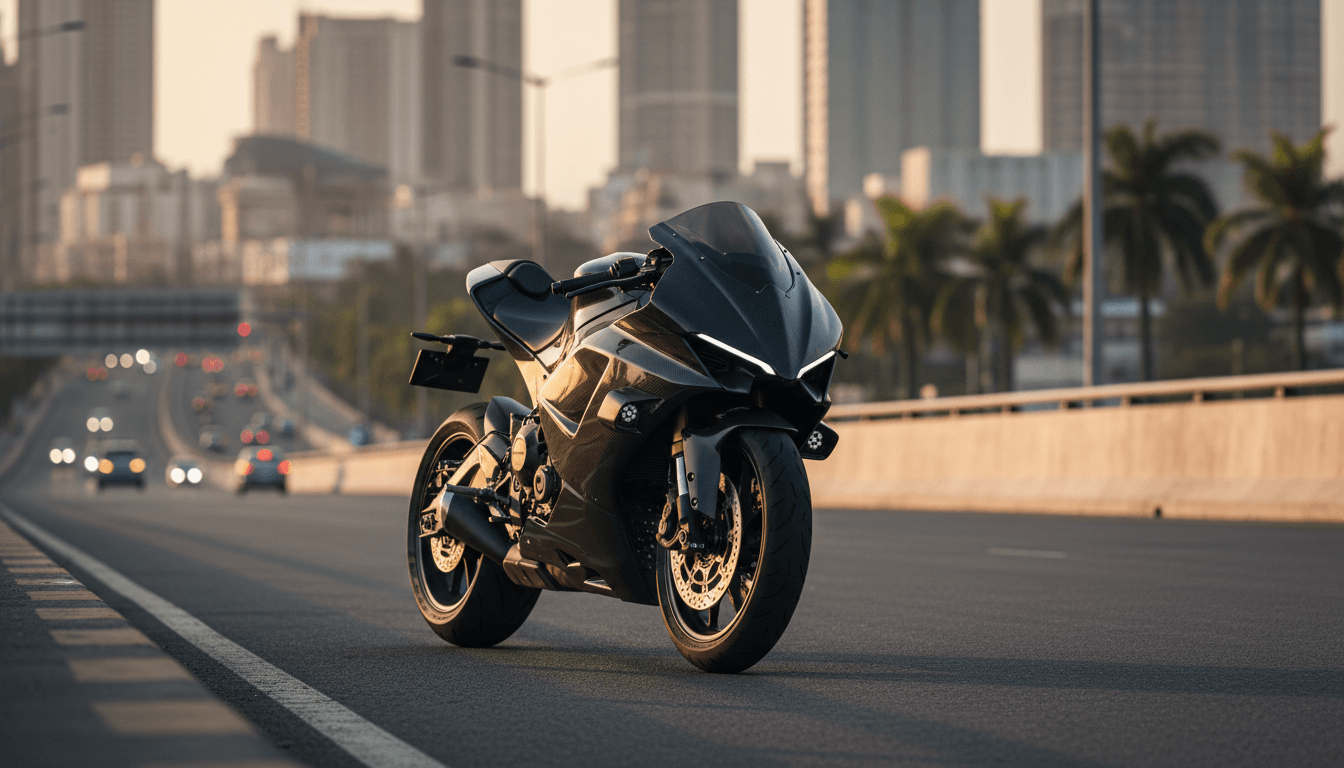
Sports bike insurance premium is higher because they have a larger engine capacity, repair costs are higher, there is a higher risk of accidents, and the IDV is also higher. This is how each factor increases the premium. Premium is a small part of the whole value and risk, so naturally a quicker, more expensive, riskier ride will get a larger figure than a 100cc commuter bike.
Why do Repairs and Spare Parts for Sports Bike Cost More?
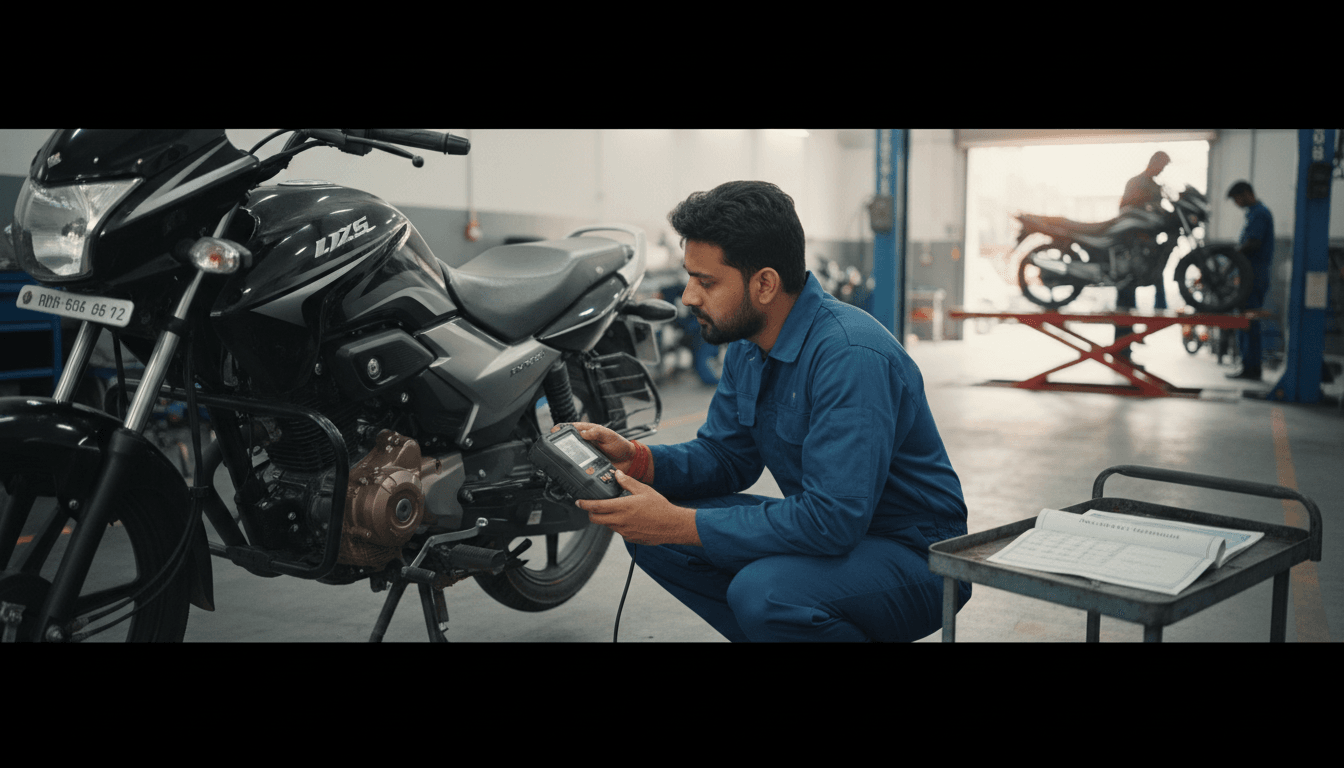
Sports bikes are expensive to repair, and insurance premiums take that into consideration when estimating the own-damage premium.
Some of the main features that push up the cost of sports bike premiums:
- Imported and specialised parts: Many sports bikes use components that are imported or model-specific, so a single panel, fairing or electronic part can cost far more than a commuter bike's equivalent.
- Advanced technology: Features such as anti-lock braking, ride-by-wire throttle, traction control and electronic dashboards add sophisticated parts that are costly to replace.
- Skilled technicians: Repairs often require trained technicians and authorised service centres, which charge higher labour rates.
- Fragile body panels: Performance bodywork and fairings damage easily in a fall and are expensive to replace as a set.
Other factors, such as limited parts availability, longer waiting times for shipments, and the higher value of the bike itself, can also add to repair costs.
How does Accident and Theft Risk Affect Bike Insurance Premium?
Firstly, insurers calculate risk based on two key questions: what is the probability of a claim, and how large will that claim be? Sports bikes come with increased risks on both aspects, which explains the rise in premium.
- Higher speeds: Performance bikes are engineered to go fast. Naturally, the likelihood of a collision and the severity of injury will increase with higher speeds. For example, a collision at 120 kmph can be much more harmful than a bump in city traffic.
- Riding style: Sports bikes are often ridden more intensely; for example, rapid acceleration and harsh braking are part of the riding style. The insurers will include such behaviour in their risk assessment, even if you are a very careful rider.
- Theft appeal: High-value, desirable models are more attractive to thieves, and stolen sports bikes are easier to part out for spares. This pushes up the theft component of your own-damage premium.
- Claim history of the model: Insurers also look at how often a particular make and model files claims. If a sports bike has a track record of frequent or expensive claims, that pattern is built into the rate.
Read more: How to File a Bike Insurance Claim Online
When the expected number of claims is higher and the expected cost per claim is higher, the own-damage premium will increase accordingly. This is fundamentally why sports bike insurance is more expensive than commuter bike insurance.
How is a Sports Bike Premium Estimated?
Various factors make up the insurance premium for a sports bike. The own-damage part is calculated as a percentage of the bike's value, while the third-party part is determined as a fixed slab depending on engine capacity; later on, add-ons and risk are also considered.
| Component | How it is worked out | Example amount (1,000cc, ₹8,00,000 IDV) |
|---|---|---|
| Own-damage (OD) base | Percentage of IDV (here, 2% of value) | ₹16,000 |
| Third-party (TP) premium | Fixed by IRDAI slab for engines above 350cc | Highest slab applies |
| Risk loading | Added for high repair cost, theft risk and speed | Pushes OD higher |
| Add-ons (zero depreciation, etc.) | Optional covers, each priced separately | Extra on top |
| GST | 18% on the combined premium | Applied last |
The OD base is large mainly because the IDV is large, so a small percentage still produces a big number. Once the higher TP slab, risk loadings, add-ons and GST sit on top, the total climbs well above what a small commuter bike would cost.
Ways to keep the premium in check
One way to reduce your sports bike premium is to avoid compromising your essential cover. For instance, you can increase your no-claim bonus by refraining from making small claims, select a reasonable voluntary deductible, get an anti-theft device that is approved by the Automotive Research Association of India (ARAI), and compare own-damage quotes as the OD price differs from one insurer to another, whereas the third-party rate remains the same.
Key Takeaways
- Sports bike premiums are higher because of higher engine cc, costly repairs, greater accident and theft risk, and a higher IDV.
- The third party insurance premium is fixed by IRDAI and rises with engine cubic capacity; most sports bikes fall in the highest slab, above 350cc.
- The own-damage premium is a percentage of the IDV, so a high-value sports bike starts from a much larger base.
- Imported parts, advanced technology, skilled labour and fragile fairings make sports bike repairs more expensive, raising claim payouts and premiums.
- Higher speeds, harder riding and greater theft appeal increase both the likelihood and the size of claims.
- A no-claim bonus, a voluntary deductible, ARAI-approved anti-theft devices and comparing OD quotes can help lower the premium.
Frequently asked questions
Yes. Third-party two-wheeler insurance is legally required for every bike in India, including sports bikes. The rate is set by IRDAI and increases with engine capacity.
Generally yes, because IRDAI fixes the third-party rate in slabs based on cubic capacity. A higher cc places the bike in a higher slab, and bikes above 350cc sit in the top band.
You can usually adjust the IDV within a permitted range, and a lower IDV reduces the own-damage premium. However, it also reduces the maximum payout if the bike is stolen or written off, so it is a trade-off rather than a free saving.
The third-party rate is fixed by the regulator and is the same across insurers for a given engine slab. The own-damage premium is set by each insurer based on its own risk assessment, so it varies and is worth comparing.
Installing an anti-theft device approved by ARAI can earn a discount on the own-damage premium, because it lowers the theft risk the insurer is pricing for.
Sources and references
- 1.Insurance Regulatory and Development Authority of India: Motor third-party premium ratesRegulator that fixes third-party two-wheeler premium slabs by engine capacity
- 2.Automotive Research Association of India: Approved anti-theft devicesBody whose device approval can qualify for an own-damage premium discount
About the authors

Nikhila PS
Written by · Senior Content EditorNikhila is a content creator with 6+ years in EdTech and motor insurance, turning complex policies into clear, engaging content. She enjoys exploring digital trends, social media, and art while planning her next short escape.

Rekhit Singh Kaushal
Reviewed by · Senior Director - Motor UnderwritingRekhit Singh Kaushal is Senior Director at ACKO, a leading digital motor insurance provider in India. With deep expertise in insurance strategy and innovation, he brings trusted insights on car and bike insurance to help drivers stay protected.