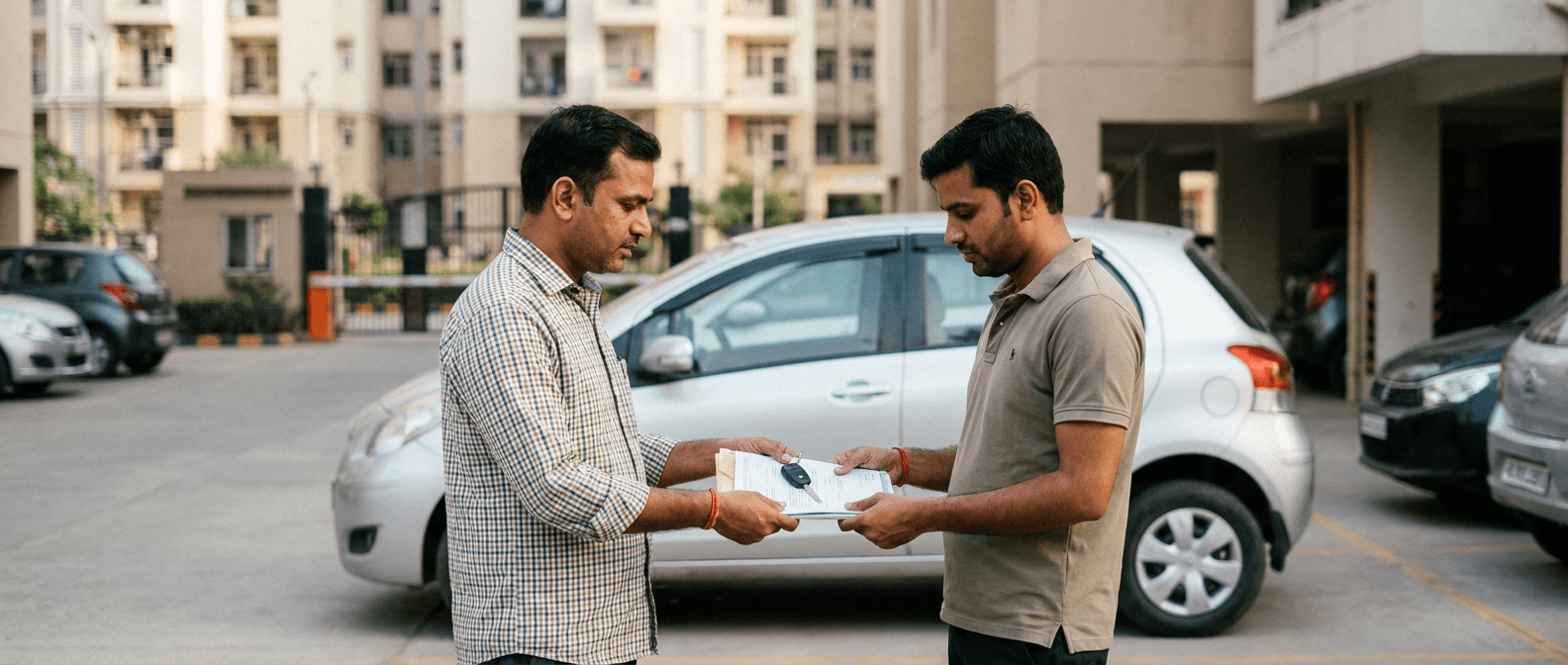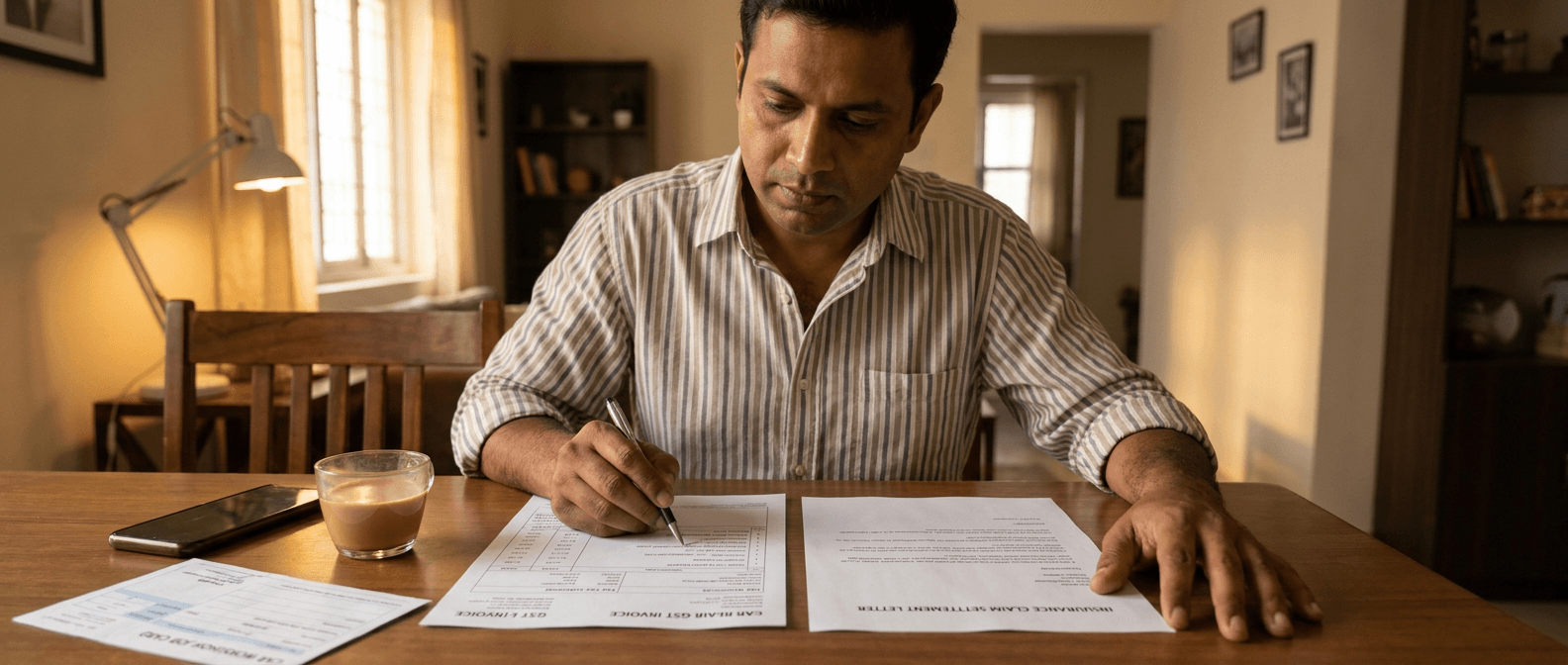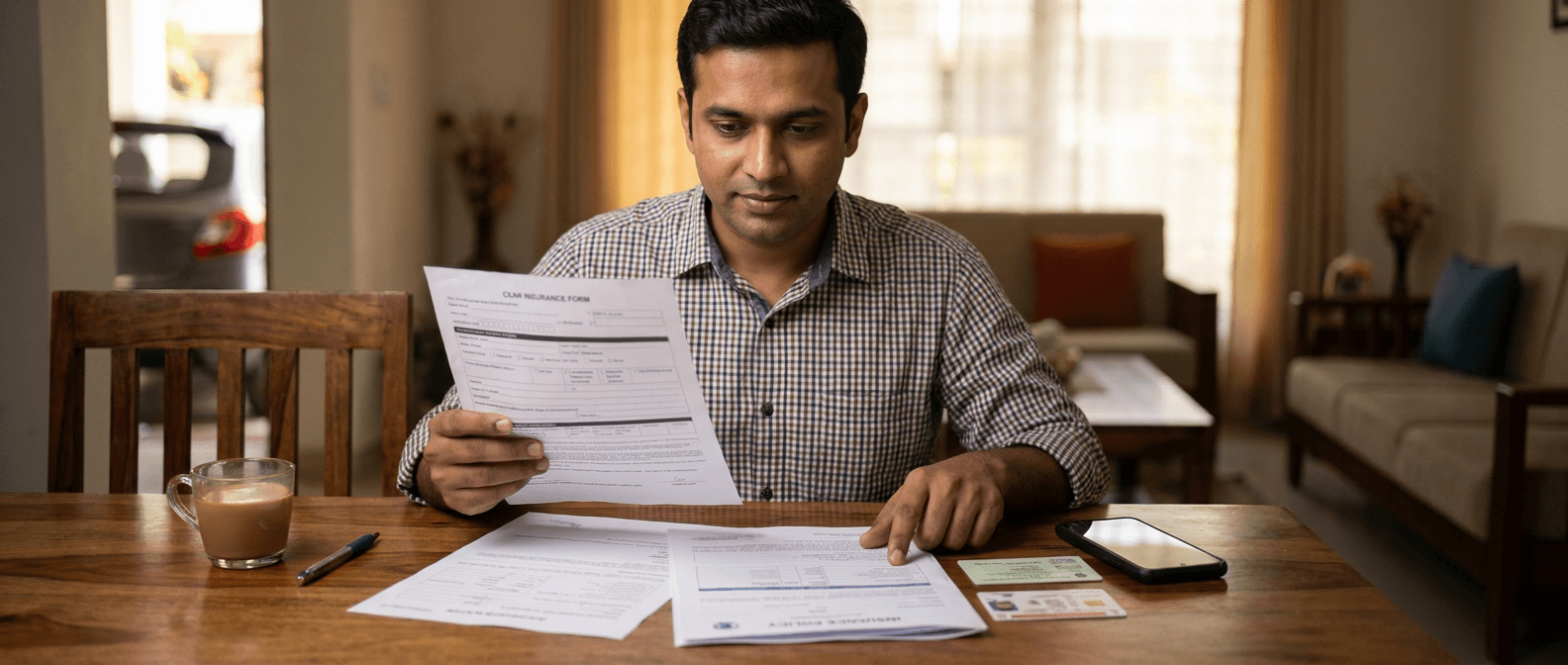
Filing an insurance claim can feel overwhelming after an accident or theft. Although, the process is straightforward when you have the right documents and proof ready. If you are filing an 'own damage' claim for a minor dent, a cashless repair claim, or reporting a stolen vehicle, having a complete document checklist ensures a swift and hassle-free settlement.
Here is a guide to all the documents required for each car insurance claim type.
Basic documents for car insurance claims
Car insurers ask for a basic set of documents to verify your identity, vehicle ownership, policy validity, and payment details for settlement. Keep all documents ready before you start the claim process.
- Claim form: You can usually get this through your insurer’s app, website, or branch. Alternatively, file the claim through your insurance company’s app, website, or claim support team as soon as you can.
- Car insurance policy: This confirms that your policy was active on the date of the incident.
- Registration Certificate, RC: This establishes vehicle ownership and carries the engine and chassis details.
- Driving Licence, DL: This should belong to the person who was driving at the time of the accident.
- Photos: Take clear photos or videos of the vehicle damage and the accident scene.
- Mandatory KYC documents: Under IRDAI guidelines, KYC compliance is mandatory. You may need to provide your PAN Card or Aadhaar Card for claim settlements exceeding ₹1 Lakh, or for total loss or theft claims.
- Bank and payment details: Keep and share your bank details with your insurer if you have to raise a reimbursement claim.
Documents required by claim type
The documents and proofs required for filing a car insurance claim depend on the type of claim you’re filing and the situation.
| Claim Type | Mandatory Documents | Key Considerations |
|---|---|---|
| Own Damage (Accident) | Claim form, policy copy, RC, DL, damage photos, repair estimate, final invoice, payment receipt. | Ensure the DL submitted matches the individual who was actively driving during the incident. |
| Cashless Claim | Claim intimation, policy number, RC, DL, network garage repair estimate, insurer approval form. | The network garage typically handles survey coordination and direct billing with the insurer. |
| Reimbursement Claim | All Own Damage documents, plus original stamped repair bills, payment receipts, bank account details. | You must pay the independent garage out-of-pocket first and submit original bills for insurer reimbursement. |
| Theft Claim | Claim form, policy copy, RC, FIR, Non-Traceable Report from police, all sets of vehicle keys, financier NOC, RTO transfer forms. | RTO Forms (28, 29, 30, 35) are legally required to transfer salvage to the insurer or deregister the vehicle. |
| Total Loss (Constructive) | Claim form, policy copy, RC, DL, FIR (if required), survey report, repair estimate, all sets of vehicle keys, financier NOC, RTO Forms (28, 29, 30, 35). | Declared when repair costs exceed 75% of the car’s Insured Declared Value (IDV). |
| Third-Party Claim | Policy copy, RC, DL, FIR, accident details, legal or court notices received. | Inform your insurer immediately. Never admit liability or sign private settlements without insurer consent. |
Steps to take immediately after an accident
Prioritize safety
Move passengers to a safe location if possible and seek medical assistance if anyone is injured.
Take pictures of the damage
Take pictures and videos of damaged parts, number plate and any third-party vehicles involved.
Inform the insurer
Notify your car insurance company immediately through its mobile app, helpline or website and register your claim. Inform the insurer within 24 to 48 hours for standard claims, and within 24 hours for theft claims.
File an FIR if applicable
Contact the nearest police station if the incident involves theft, injury or major damage.
Speak to your insurer about repairs
Always speak to your insurer before using an independent garage. Seek clarity on moving or towing your car before relocating it.
Submit repair estimates
Provide the garage's repair estimate to the assigned surveyor before any dismantling or repair work begins.
When is a police FIR mandatory?
An FIR is not needed for minor scratches, small dents or natural calamity damage such as floods. However, you need to file an FIR if the claim involves theft, third-party injury or death, third-party property damage, a hit-and-run or vandalism.
| Situation | FIR or police report usually needed? | Reason |
|---|---|---|
| Car theft | Yes | The insurer requires an official untraceable report from the police to process the final settlement |
| Third-party injury or death | Yes | Legal and Motor Accident Claims Tribunal, MACT, proceedings need official police records |
| Third-party property damage | Yes | Police papers are vital for recording the incident and identifying all involved parties |
| Hit-and-run accidents | Yes | The FIR helps establish the facts when the identity of the at-fault driver is unknown |
| Vandalism or malicious acts | Yes | Property damage by a third party is treated as a criminal offence |
| Minor scratches or dents | Usually no | These claims are typically handled through photos, inspection, and repair documents, subject to insurer rules |
| Flood or natural calamity damage | Usually no | An FIR is typically unnecessary unless the insurer specifically asks for police or local authority records |
Documents required for specific claim scenarios
Depending on the nature of the damage or accident, your insurance provider may need extra documents to verify the facts and settle the claim.
- Commercial vehicle insurance claims: If the claim involves a commercial vehicle, such as a taxi, cab, or delivery truck, you will need a valid Fitness Certificate and Route Permit. Claims filed without these mandatory documents may be rejected.
- Car fire damage claims: If your car was damaged due to fire, you need to submit an official Fire Brigade Report. Insurers use this report to verify the cause and extent of the fire.
- Severe injury and MACT claims: For major road accidents, especially those involving injuries to the driver or third parties, the insurer may need a Medico-Legal Certificate (MLC). This is issued by the hospital and helps rule out policy exclusions, such as driving under the influence of alcohol or drugs.
Key takeaways
- Documents needed for a car insurance claim include policy details, RC, driving licence, damage photos, repair estimate, final invoice and payment receipt.
- An FIR or police report is needed for theft, third-party injury or property damage, hit-and-run, vandalism and similar cases.
- Theft and total loss claims need additional documents such as police final report, financier NOC, settlement forms and vehicle keys.
- Keep original repair bills, FIR, claim documents and vehicle documents until the claim is settled.
Frequently asked questions
Yes, many minor own damage claims can be filed without an FIR if there is no theft, injury, death, third-party property damage or police case. An FIR is normally required for theft, third-party claims, hit-and-run, vandalism and cases where the insurer specifically asks for police papers.
Insurers usually accept a copy or digital upload of the RC at the initial stage, but they may ask to verify the original. Keep the original RC available until settlement, especially for theft, total loss or ownership-related checks.
You need the driving licence of the person who was driving the car at the time of the accident. If the car owner was not driving, the owner's licence alone is not enough for that driver-related check.
In a cashless claim, the network garage generally shares the final bill with the insurer. You should still keep copies of the estimate, approval and final bill for your records, especially if you pay any non-approved amount directly to the garage.
For reimbursement, insurers commonly ask for bank account details and may ask for a cancelled cheque or passbook copy to verify the account. The account should normally be in the policyholder's name.
Yes. Missing RC, wrong driving licence, unclear damage photos, absent repair bills, no payment receipt, delayed FIR or name mismatch across documents can delay claim assessment or settlement.
Sources and references
- 1.IRDAI (Protection of Policyholders' Interests, Operations and Allied Matters of Insurers) Regulations, 2024Insurance Regulatory and Development Authority of India regulations on policyholder protection and claim handling.
- 2.The Motor Vehicles Act, 1988India Code, provisions on driving licence and registration of motor vehicles.
About the authors

Nikhila PS
Written by · Senior Content EditorNikhila is a content creator with 6+ years in EdTech and motor insurance, turning complex policies into clear, engaging content. She enjoys exploring digital trends, social media, and art while planning her next short escape.

Rekhit Singh Kaushal
Reviewed by · Senior Director - Motor UnderwritingRekhit Singh Kaushal is Senior Director at ACKO, a leading digital motor insurance provider in India. With deep expertise in insurance strategy and innovation, he brings trusted insights on car and bike insurance to help drivers stay protected.