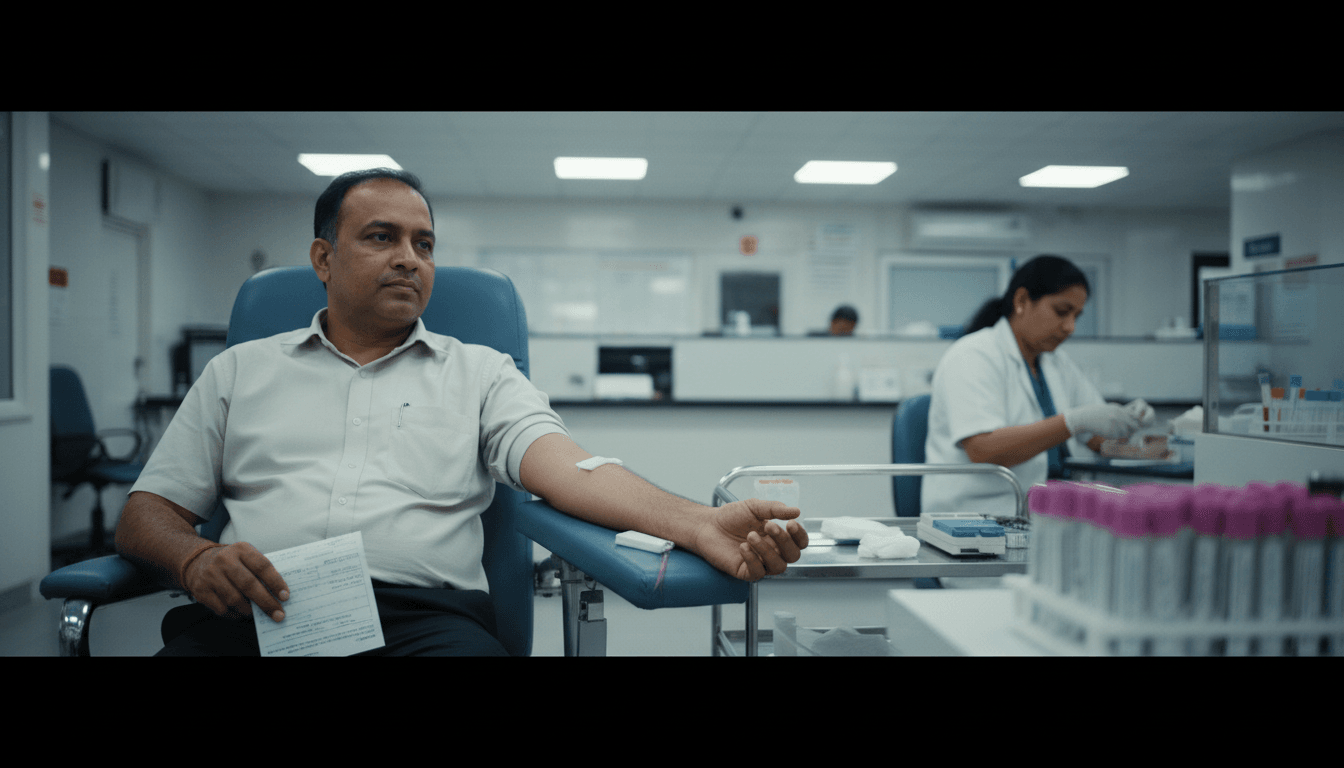
Yes. the Indian health insurance scheme includes treatment of Type 2 diabetes; however, this applies to cases involving admission to hospital owing to either the disease or its consequences, not to routine medication and treatment. If you are diagnosed with Type 2 diabetes before purchasing the insurance, the condition is considered a pre-existing condition; therefore, diabetes treatment claims will be paid only after the insurance waiting period.
What does a health insurance policy pay for?
A typical health insurance plan will cover the cost of hospitalisation for a health problem. In the case of Type 2 diabetes, the health insurance plan will apply only when the illness requires hospitalisation.
Here is what is typically and is not covered under a regular indemnity health plan.
| Item | Usually covered? | Notes |
|---|---|---|
| Hospitalisation for diabetes complications | Yes | Includes admissions for very high or very low blood sugar, diabetic ketoacidosis, and related emergencies, after the waiting period. |
| Treatment of complications (kidney, eye, foot, nerve, heart) | Yes | Dialysis, laser eye treatment, foot surgery and cardiac care linked to diabetes are covered once waiting periods clear. |
| Pre and post-hospitalisation expenses | Yes | Typically 30 days before and 60 days after admission, as per policy terms. |
| Day-care procedures | Yes | Listed treatments that need less than 24 hours in hospital. |
| Routine insulin, tablets, glucometer strips at home | No | Ongoing outpatient medicine is excluded unless you have an OPD add-on. |
| Regular doctor consultations and lab tests | No | Covered only if the plan includes an OPD or wellness benefit. |
Basically, the policy is meant to cover the high and unexpected costs of a hospitalisation for diabetes. On the other hand, the small, routine costs of daily management will generally not be covered by basic plans.
How does the pre-existing disease waiting period work in health insurance?
In case you buy the policy and diabetes is diagnosed as a Type 2 disease, it is referred to as a pre-existing disease (PED). The insurer imposes a waiting period for PED, after which it will not pay for claims related to the condition. Under the Insurance Regulatory and Development Authority of India's (IRDAI) policy framework, this waiting period shall not exceed the restriction stated in the policy, and in most cases, the waiting period ranges from 2 to 3 years.
Diabetes and its related complications are considered other illnesses that are covered by insurance once the waiting period is over
If the insurance gets bought before the onset of the illness a diagnosis of diabetes during the insurance period becomes covered at a later stage, however, if there is an initial waiting period this would have to be observed.
Types of waiting periods that can apply
Initial waiting period: The typical case is a 30-day waiting period from the day when the policy commences, in which only claims related to accidents are covered.
Waiting period for pre-existing conditions: A standard situation would be that of waiting a period of 2 to 3 years for declared diabetes.
Waiting period for specific illnesses: In some cases, a plan may require a 2-year waiting period for the named diseases or procedures.
Any waiting periods you had for the cover would still apply if you move your insurance to a different company.
Declare your diabetes at the time of buying
One of the key reasons for rejection of diabetes-related claims is the non-disclosure of Type 2 diabetes. They can deny claims or even cancel the policy for failure to disclose a major health fact. It is essential to include the condition, the date you were diagnosed, and the medications you are taking on the application form. That means you may be subjected to a health examination or pay a small premium for being healthier.
Can you buy health insurance if you already have type 2 diabetes?
Yes. You still can buy health insurance even if you're diagnosed with Type 2 diabetes. Insurers review the medical history as part of the underwriting process to determine how they can respond to the application.
Standard acceptance: If the condition is under control and there are no other health issues.
Premium loading: Here, only a small part of the amount is paid as a premium to cover the extra risk involved.
Extended waiting period: To avoid making diabetes-related claims in the initial stages, the insurer could delay the payment for the period of time (PED).
Medical test requirement: Typically, blood sugar (fasting, post-meal, and HbA1c) and other related tests are asked for as part of the requirement.
Some special Diabetes health plans have been developed particularly for people who have Type 2 diabetes or are pre-diabetic. Such plans generally offer coverage at the very beginning or shortly after diagnosis, and may even include illness management services like routine check-ups and dietary counselling, in return for paying a much higher premium than regular plans.
What does a diabetes hospitalisation health insurance claim look like?
Let's take a case study. For example, you bought a Rs 5 lakh health insurance policy. At the time of purchase, you declared that you were suffering from Type 2 diabetes. The insurance company imposed a 2-year waiting period for pre-existing diseases. Three years later, you had to be admitted to the hospital for complications due to diabetic foot infection, which needed surgery.
| Item | Amount |
|---|---|
| Room and nursing (4 days) | Rs 40,000 |
| Surgery and surgeon fees | Rs 85,000 |
| Medicines and consumables in hospital | Rs 30,000 |
| Pre-hospitalisation tests (30 days) | Rs 8,000 |
| Post-hospitalisation follow-up (60 days) | Rs 12,000 |
| Total bill | Rs 1,75,000 |
If the 2-year waiting period has already been fulfilled and the claim falls within the Rs 5 lakh coverage limit, the insurer shall pay the amount payable. If your policy does not have a room rent restriction and there is no co-payment clause, the insurer will settle the full Rs 1,75,000. But if your policy is subject to a 10% co-payment clause, you would pay Rs 17,500, and the insurer will pay the remaining amount of Rs 1,57,500.
However, the daily home-drawn insulin and tablets you use regularly will not be eligible for this claim.
Are standard health plans and diabetes-specific health plans different?
Type 2 diabetes treatment is covered by two types of plans. A regular health plan and a dedicated diabetes plan each offer this coverage, but they differ in when coverage starts and the extras that come with it.
| Feature | Standard health plan | Diabetes-specific plan |
|---|---|---|
| Accepts existing diabetes | Yes, after declaration and underwriting | Yes, designed for it |
| Waiting period for diabetes claims | Typically 2 to 3 years | Often day one or a short wait |
| Premium | Lower, plus any loading | Usually higher |
| Disease-management support | Rarely included | Often included |
| Covers non-diabetic illnesses too | Yes, fully | Yes, but check scope |
Decide based on when you expect to start requiring diabetes-related care and whether you want built-in support for disease management. Assuming you have only recently discovered that you have diabetes and it is well managed, it may be enough to go for a basic insurance policy and also declare your PED.
How do you claim health insurance for diabetes treatment?
Confirm the waiting period is over
Check that the pre-existing illness and any initial waiting periods have elapsed before your admission.
Choose cashless or reimbursement
You could either use a network hospital for free treatment without cash, or pay first and get back your money afterwards.
Intimate the insurer
In the case of a planned admission, it is necessary to advise the insurer or TPA beforehand. Alternatively, emergency cases have to be reported within the time limit specified.
Submit documents
Present the discharge summary, hospital bill, medication records, lab and x-ray results, as well as the insurance company's claim form.
Receive settlement
The insurer directly pays the hospital the eligible amount (cashless) or transfers the money to your account (reimbursement).
What is not covered for Type 2 Diabetes under Health Insurance?
A plan which covers Type 2 diabetes has its own limitations. Awareness of those limitations makes one well prepared for unexpected rejections.
Claims during waiting period: No payment will be made for diabetes treatment done within the PED waiting period.
Hiding pre-existing diabetes: Non-disclosure at the time of buying the policy might result in the claim being disallowed and the policy being nullified.
Routine outpatient costs: Only if you have an OPD benefit will home insulin, tablets, strips and regular consultations be covered otherwise, they will be a loss for you.
Co-payment and sub-limits: Charging the co-pay means the insured person would bear a portion of the cost of treatment.
Non-Medical Expenses: The expenses related to admission kit and attendant charges cannot be claimed.
Key Takeaways
The health insurance in India provides cover for Type 2 Diabetes management when it is related to conditions such as Kidney disease, Eye, Foot, Nerve and Heart issues.
It is possible to get coverage for existing diabetes; the insurer may approve it at the same rate as a new case, slightly increase the premium, require a longer waiting period, or request a complete medical examination.
Premium diabetes-only policies often provide coverage for diabetes starting on the very first day or after a very short waiting period and include help with disease management, all at a cost significantly higher than regular plans.
Normal OPD benefits like injecting insulin at home, medicine for diabetes, and tests to measure blood sugar are not usually covered; the only exception is if the policy includes a separate OPD benefit for this.
Non-disclosure of diabetes is the most common reason diabetes claims are rejected.
Served waiting periods carry over when you port to another insurer without a break in cover.
Frequently asked questions
Yes, you can apply right away, but the normal policy will treat this disease as pre-existing and hence apply a waiting period for it to be covered for claims.
However, not for the standard plan. The cost of daily insulin injections, medication, and glucometer strips at home will fall under outpatient expenses and therefore will not be covered.
Yes. The insurer might load a premium (an additional percentage) on top of that due to the increased risk, especially if control is poor or there are complications. Well-controlled diabetes without complications might even be covered at normal premiums.
Yes. After the waiting period is over, hospitalisation costs incurred for complications due to diabetes, like renal problems, dialysis, heart, eyes, and feet, will be payable until the sum assured limit, as per policy conditions.
However, the waiting period you have already completed will carry over to your new insurer if you port your policy without any interruption in coverage. Your waiting period for diabetic claims does not need to start all over again.
About the authors

Neviya Laishram
Written by · Senior Editor – Health, Life and Group Health Insurance Content at ACKOWith a journalism background, she brings 9 years of experience in strategising and editing health, life, and group health insurance content. Having written for magazines and digital publications, she combines research and editorial expertise to create credible, useful content for readers.

Dr Nitin Kumar Gupta
Reviewed by · SVP – Health Underwriting & Claims at ACKO General InsuranceWith 20+ years of experience in digital transformation and growth, he is a leader specialising in health, life, accident, and disability insurance. Backed by an MBBS degree and insurance designations (FLMI, FALU, FLHC, ACS, ARA), he combines expertise with leadership.