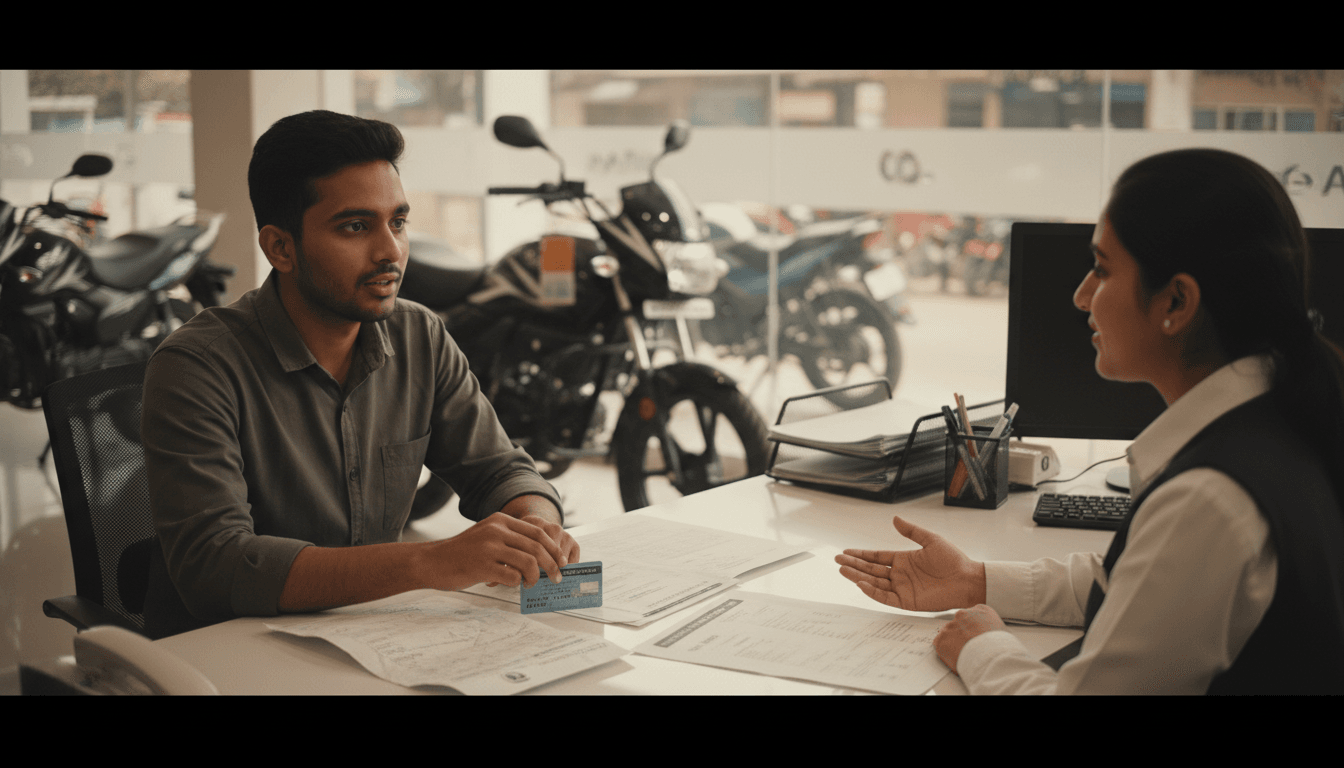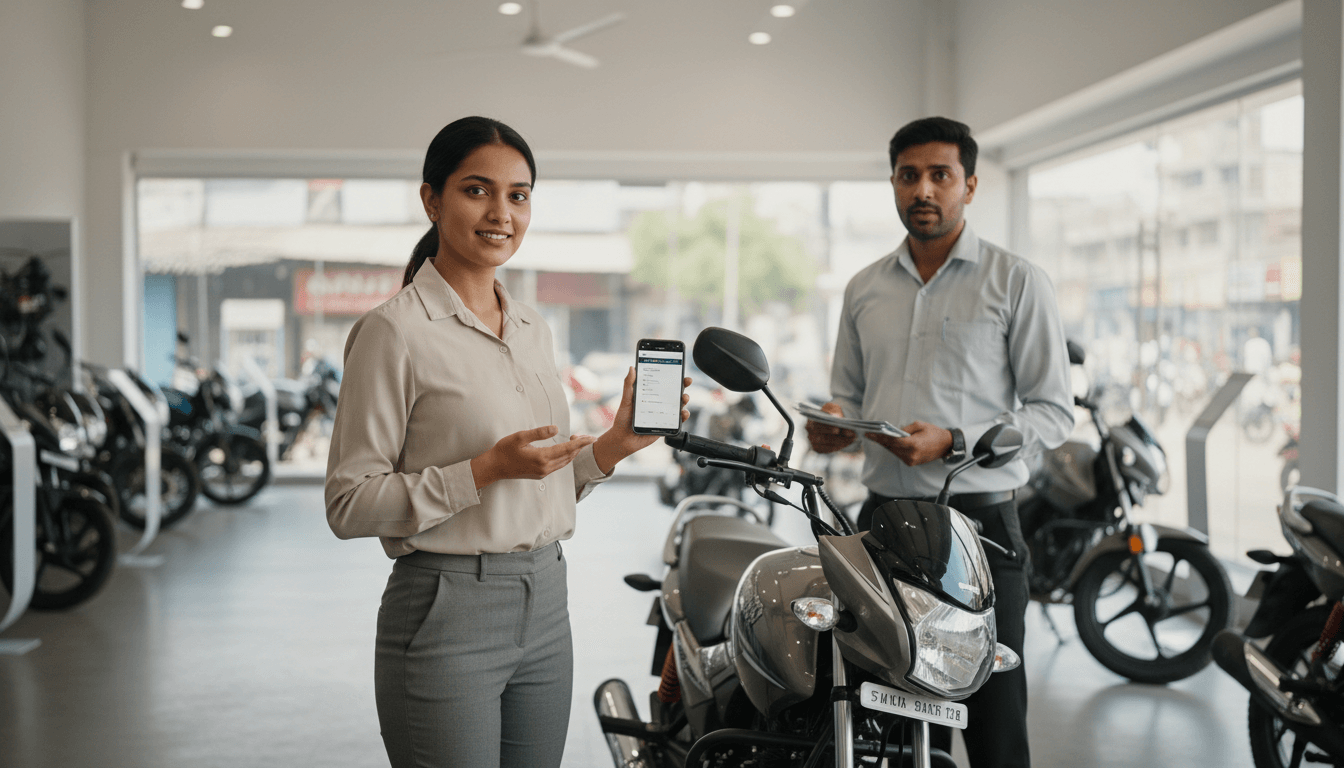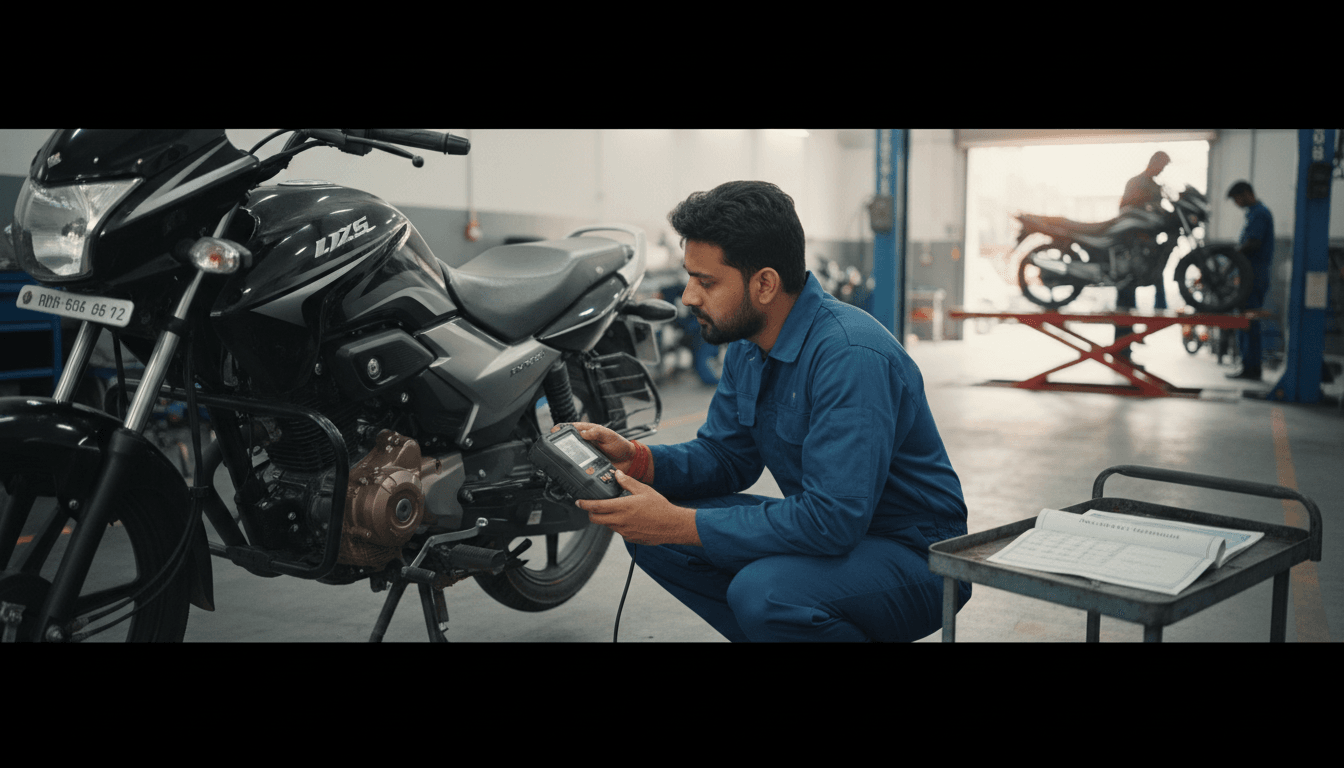
BS6 (Bharat Stage 6) compliant bikes can affect your insurance premium by increasing the Insured Declared Value (IDV), leading to higher Own Damage (OD) premiums. These bikes are equipped with the latest technology, and their showroom prices are also quite high. As a result, the cost of repairs or replacement would be higher. On the other hand, these bikes provide excellent protection against theft and comprehensive compensation for any damage incurred.
Does a BS6 bike cost more to insure than a BS4 bike?
Yes, generally even a tiny bit more, and the major portion of this increase in cost can be attributed to one particular segment of the policy. To better understand this, it's helpful to know that a comprehensive bike insurance policy is divided into two components.
One part is Own Damage cover. Own Damage bike insurance protects your bike repair costs if your bike gets involved in an accident, fire, or theft. The other part is third-party cover. Third-party cover is designed to cover the cost of damages or injuries that your bike causes to a third person or their vehicle. The law makes third-party cover compulsory; however, you may choose whether or not to add Own Damage cover.
A BS6 bike drives up the Own Damage part. The third-party part stays unchanged even if the bike is BS6. So when a rider complains that BS6 insurance is costly, they are almost always referring to the Own Damage part.
Which add-ons matter more on a BS6 bike?
Among the numerous add-ons, only two are essential on a BS6 bike: Zero Depreciation and Engine Protection. These two add-ons are your safety nets to protecting yourself from higher repair bills that can come with the replacement of BS6 parts.
Zero Depreciation cover is an add-on that prevents the insurer from reducing your payout due to wear and tear. With this one, you get the entire price of the replaced part when you make a claim.
On a normal policy the insurer pays less for an older plastic or rubber part. BS6 bikes carry costlier electronic and emission parts, so this add-on saves you more when you claim.
The Engine Protection cover (an optional add-on that pays for engine damage which the standard policy does not cover) should be the second one to consider. A standard Own Damage cover typically does not cover engine failure caused by water ingress or oil leakage. Since a BS6 fuel-injected engine is quite costly to rebuild, you should definitely consider this add-on, especially if you frequently ride through flooded areas or heavy rain.
How can you keep a BS6 bike's insurance cost down?
You can keep your bike insurance cost down without dropping the cover you need. A few simple steps do most of the work.
You should not set the IDV very low just to save a little on the premium. In fact, a low IDV means that you will not receive a large payout when your bike is stolen or if you have a total loss.
Always try not to use your insurance for minor damage, such as scratches, and instead pay out of pocket. If you remain claim-free, you may enjoy a discount called No claim bonus; this can be as high as 50 per cent at the time of policy renewal.
If you don't claim very often, then you can decide to bear a part of the loss (voluntary deductible), as this will help you reduce the premium without compromising your coverage.
Install a security device recognised by ARAI. Besides helping you protect your bike, this can also fetch you a small discount.
Always compare the renewal quote with a few other insurers before making payment, rather than renewing blindly.
Key takeaways
BS6 mainly raises the Own Damage premium, not the third-party premium. The extra cost sits in the part of the policy that pays for your own bike.
The rise comes from a higher bike price and costlier parts to repair. A higher price lifts the IDV, and BS6 engine parts cost more to fix.
The third-party premium is fixed by the government on engine size. A BS6 bike pays the same third-party rate as a BS4 bike of the same engine size.
Zero Depreciation and Engine Protection add-ons are more worthwhile on a BS6 bike. They shield you from the higher repair bills that BS6 parts can bring.
Frequently asked questions
A PUC (Pollution Under Control) certificate is a separate document from your insurance, but many insurers ask to see a valid one before they renew your policy. Keep it current, since riding without it can also attract a traffic fine.
It is usually highest in the first year, when the bike's value is at its peak. As the bike ages its value drops, so the Own Damage premium tends to fall at each renewal, as long as you keep your No Claim Bonus.
Yes, if you insure the accessories. Fitted extras like alloy wheels or a music system add to the insured value, which lifts the Own Damage premium. Tell your insurer about them so a claim on those parts is not refused.
Third-party cover is the legal minimum, but it pays nothing towards your own bike. On a costlier BS6 bike, comprehensive cover is worth considering because repairs and replacement parts are expensive to pay for yourself.
Yes, the Own Damage part usually falls each year because the bike's value drops with age. The third-party part stays fixed by engine size, so your total premium often eases over time if you avoid claims.
About the authors
Nikhila PS
Written by · Senior Content EditorNikhila is a content creator with 6+ years in EdTech and motor insurance, turning complex policies into clear, engaging content. She enjoys exploring digital trends, social media, and art while planning her next short escape.

Rekhit Singh Kaushal
Reviewed by · Senior Director - Motor UnderwritingRekhit Singh Kaushal is Senior Director at ACKO, a leading digital motor insurance provider in India. With deep expertise in insurance strategy and innovation, he brings trusted insights on car and bike insurance to help drivers stay protected.