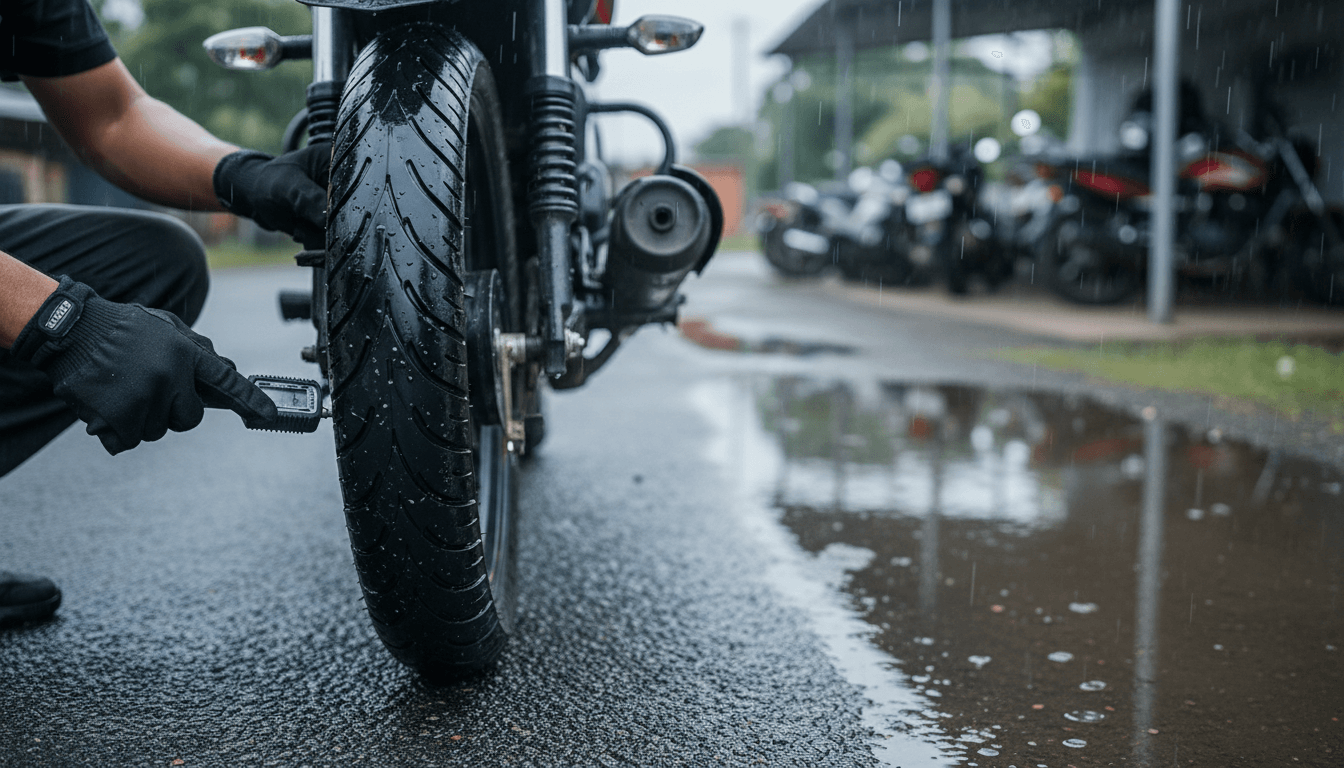
Delaying to file a two-wheeler insurance claim could result in a complete rejection of your claim, a significantly lower amount of compensation, a claim that is harder to substantiate, and ultimately, a lengthy settlement process. Most of the insurance companies set a period, usually 24 to 72 hours of the event, during which you have to inform them of an accident, theft, or damage. You will not be able to claim the insurance if you exceed the time limit without a justifiable cause, as the insurer may raise serious issues with the claim or even terminate it owing to the fact that the loss circumstances could hardly be verified due to the delay.
What counts as a delayed claim in bike insurance?
A claim is said to be delayed when you raise the matter with your insurer at a later date, and your policy's notification period allows a shorter span. There isn't one single legal deadline that applies to all insurance policies; you have to check what has been agreed with your insurer in the policy documents that you have.
The duration of the notification period for claims in 2 wheeler insurance policies in India is usually as follows:
For accident/own-damage only: Report your case in the next 24-72 hours.
In case of vehicle theft: File a police FIR and submit it to the insurer as soon as possible, generally within 24 hours.
Third-party injury/death: Notify insurer immediately, as it could be an issue of a legal time frame through the Motor Accident Claims Tribunal.
Maintaining a strict timetable starts as early as the day of the mishap, not the day you became aware of your damage.
You should always refer back to the "claim intimation" or "notification of loss" clause of your policy to be sure about your time limit.
What are the consequences of delayed two-wheeler insurance claim filing?
The outcome of a claim filed belatedly may be a slower process or even denial of the claim. Rider will generally have to deal with five problems as explained below:
| Effect | What happens | Why it happens |
|---|---|---|
| Claim rejection | The insurer declines to pay the claim. | Late intimation breaches a policy condition and prevents proper verification. |
| Reduced or partial payout | You receive less than the full assessed amount. | Additional damage during the delay may be treated as not covered. |
| Harder investigation | The insurer disputes the cause or extent of loss. | The vehicle can no longer be surveyed in its original condition. |
| Slower settlement | The payout takes longer to process. | More documents, explanations, and checks are needed for a late claim. |
| Out-of-pocket costs | You pay for storage, towing, or interim repairs yourself. | Repairs done before the surveyor inspects may not be reimbursed. |
Never repair before the surveyor inspects
In the case of damage to your bike, if you carry out repairs before the insurance surveyor gets a look at it, then you lose the right of the insurance company to verify the extent of the damage. As a result, the insurer may either completely dismiss your claim or significantly reduce the amount. Unless you have written permission to the contrary, it is best to let the surveyor check it out first.
Can a delayed bike insurance claim be rejected outright?
Yes. Insurers quite often cite late notification as a reason for rejecting a bike claim. Reporting the accident within the stipulated timeframe is one of the policy's conditions. Had you delayed informing the insurer about the mishap, the insurer is justified in questioning the reasons behind your delay in the absence of clear evidence, which prevents the insurer from verifying the facts.
A delay, even if significant, does not automatically invalidate a genuine claim. Insurance regulators and courts have repeatedly held that a valid insurance claim must not be rejected solely on the grounds of a delay in reporting the loss or the occurrence of the event if there is an explanation for it (e.g., that the rider was admitted to the hospital).
An example of a partial payout
This is how delay can reduce pay in a real-life scenario. For instance, let's think of a rider who has a comprehensive bike insurance policy and happens to be in an accident.
| Item | Amount |
|---|---|
| Repair cost assessed at the time of accident | Rs 18,000 |
| Further rusting and corrosion during a 3-week delay | Rs 4,000 |
| Total repair bill when finally claimed | Rs 22,000 |
| Amount the surveyor attributes to the accident (payable) | Rs 18,000 |
| Amount attributed to the delay (not payable) | Rs 4,000 |
| Policy deductible / compulsory excess | Rs 100 |
| Final settlement to the rider | Rs 17,900 |
In this case, the rider is the one who will bear the damage of delayed service amounting to Rs. 4,000 besides Rs.100 as an excess which is paid to the surveyor. These numbers are for reference only since the real figures depend on what the surveyor says at the end and how your insurance policy lays down the terms.
How does delay affect theft claims in bike insurance specifically?
Theft claims are the one category of claims that the courts consider as the most prejudicial to the delay. Say your scooter or bike is stolen; the time is counted from two perspectives: the police FIR report and the insurer notification.
FIR delay: Filing the police report late reduces the chance of the item being traced and gives the insurer an opportunity to cast doubt on the theft.
RTO intimation: You are also expected to report the theft to the Regional Transport Office (RTO).
Non-recoverable certificate: In most cases, the insurance company will settle for a theft only after the police have issued a "non-recoverable" or final report, which is time-consuming. If an FIR is filed late, this process is further delayed.
If theft occurs, contact the police first, preferably within the first day, then inform the insurance company straight after. Theft being unreported to the police for a few days, and hence no FIR being filed during that time, is a typical reason for a claim being refused on the grounds of theft.
How do you file a bike insurance claim on time?
Ensure safety and note the scene
Get everyone in the vehicle to a safe place, look for injuries, then photograph the vehicle, damage, and area in detail.
File a police FIR where required
File a First Information Report (FIR) without delay if you have suffered any theft, experienced a major accident, been injured by a third party, or your property has been damaged.
Inform the insurer within the notification window
Inform the insurer of the incident by calling or via the app within the stipulated timeframes of 24 to 72 hours, depending upon your policy terms.
Do not start repairs yet
If there is no written authorisation for the repairs, wait until the insurer assigns a surveyor to inspect the car.
Submit documents
Send policies copy, FIR document (if applicable), driver's license, registration Certificate, and the repair shop estimate.
Complete the survey and repairs
Allow the surveyor to assess the damage. Next, you have two options: either proceed with repair at a network garage for a cashless settlement, or submit a claim for reimbursement.
What if you had a genuine reason for the delay in bike insurance claim?
If there is a valid reason for missing the reporting deadline, you still may get your claim approved by the insurance company after the fact, but you have to record a valid reason and support it with evidence. The insurer and the customer complaint resolution panels take into consideration your explanation and your evidence.
Reasons supported by evidence and widely recognised:
The accident resulted in hospitalisation/surgery, or your injury was serious so hospitalisation could not be avoided. You will need the hospital records as verification of this.
The incident location lacked Internet or cellular connectivity in the immediate vicinity, thereby making communication after the incident impossible. This reason will need confirmation from a local authority in that vicinity.
Dealing with police formalities extended the delay.
Along with explaining your delay through a detailed cover letter, you should support the fact by providing relevant and correctly dated documents (e.g., medical forms / FIR / timestamps with photographs etc.). Keep a copy/retain all documents pertaining to / related to the communication between you/letter you sent to the Insurer. It is only after a legitimate claim has been refused/ turned down due to trivial reasons like delay, and you are 100% confident that the facts supporting the claim are true/ valid then there is a remedy to the situation and you shall / can go to the Insurer.
Key takeaways
Delayed filing of a two-wheeler insurance claim can result in an outright rejection, smaller claim payment, a very exhaustive investigation procedure, and a painfully slow processing.
The insurance companies' general terms say you must inform them of the claim within 24 to 72 hours. You should double-check the time window in your policy's claim intimation clause before you make a claim.
Theft cases are particularly sensitive to delay because they depend on the police FIR being done promptly and a certificate that you cannot trace.
If a repair is done before a surveyor's inspection, it will likely be rejected or result in a lower settlement amount.
IRDAI, the regulator of the insurance sector, together with court decisions, have pointed out that a legitimate insurance claim must not be rejected on the grounds of delay, provided the delay is reasonable and fully justified.
Having a written explanation for your delay and showing that you have the dated evidence will help in achieving a settlement, and if there is any dispute that remains unresolved, the matter can be referred to the Insurance Ombudsman.
Frequently asked questions
The most important point here is that you must inform your insurance company within 24 to 72 hours of the event, but this will depend on your policy document.
That is certainly possible, although it may not happen automatically. However, if the reason for the delay in filing your complaint is justifiable and backed up by evidence in the form of medical reports or the FIR, then it will be judged on its own merits.
Yes, it is possible. The further damage that arises during the period of delay, like rusting, can be considered as arising outside the scope of the insurance event and thus would not qualify for compensation, meaning that you will not get your full valuation.
Register a police FIR immediately, preferably on the same day, and then notify the insurance company and the RTO. Insurance claims for theft can be settled only when there is a final or non-traceable report from the police.
No, unless the insurance company permits it in writing. The insurer needs to assess the damage before repairs can be made; otherwise, your claim will be denied or minimised.
If you are not satisfied with the resolution to the written complaint you made with the grievance cell of the insurer, you can go to the Insurer with your evidence explaining the reason for the delay, if any. Regulators say that valid claims must not be refused only because they are submitted with some delay.
About the authors

Nikhila PS
Written by · Senior Content EditorNikhila is a content creator with 6+ years in EdTech and motor insurance, turning complex policies into clear, engaging content. She enjoys exploring digital trends, social media, and art while planning her next short escape.

Rekhit Singh Kaushal
Reviewed by · Senior Director - Motor UnderwritingRekhit Singh Kaushal is Senior Director at ACKO, a leading digital motor insurance provider in India. With deep expertise in insurance strategy and innovation, he brings trusted insights on car and bike insurance to help drivers stay protected.