


speak for ACKO
speak for ACKO
speak for ACKO
Home / Car Insurance / Articles / How to Transfer a Car Insurance to a New Owner in India
How to Transfer a Car Insurance to a New Owner in India
Nikhila PSJan 8, 2026
Share Post
Transferring car insurance in India requires the buyer and seller to submit the updated RC, Forms 29 & 30, the seller's NOC, and the old policy to the insurance company. The company, in turn, inspects the vehicle, charges a fee, and issues an endorsed policy to the new owner. It is advisable to complete this process within 14 days of the vehicle sale to ensure a smooth transfer and retain the No Claim Bonus (NCB).
When you sell your car, the insurance policy is technically still in your name until it is transferred to the new owner. If the buyer is involved in an accident before the changeover is complete, you may be held liable for the damages or face legal repercussions. Starting the transfer will protect you from any further liabilities and will also provide a clear indication of the ownership change to the other party.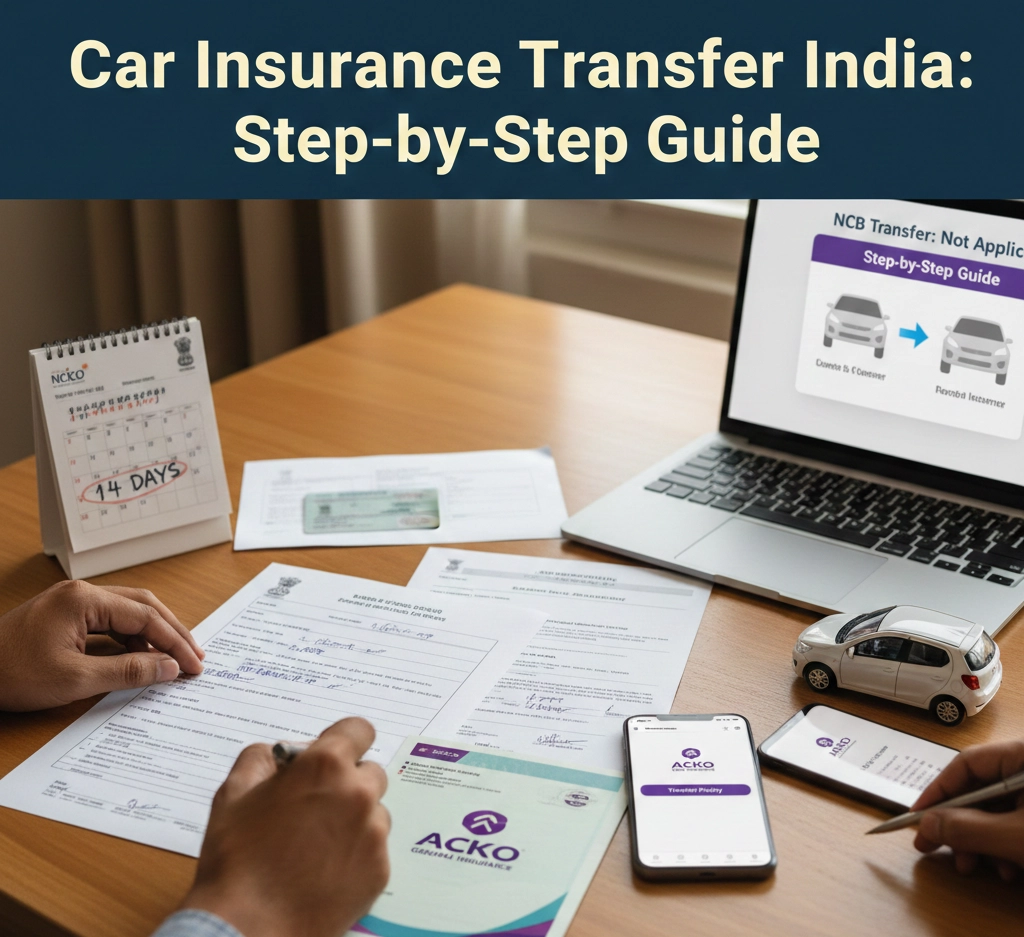
Contents

How to Transfer Car Insurance to a New Owner?
Car insurance transfer is a simple process and you can do it online or offline, based on your convenience. Given below are the steps involved in transferring your car insurance to a new owner:
Step 1: Notify the Insurer
You must inform the insurer about the change in the ownership of the car within 14 days of the purchase.
Step 2: Submit Required Documents
You will need to submit documents such as:
Identity and address proofs of the new owner
RTO forms 28, 29, and 30
Proof of sale (sale agreement or delivery note)
Policy transfer request letter/NOC from the investor (if the car is under a loan)
Step 3: Vehicle Inspection (If Required)
Some comprehensive insurance policies may stipulate that the vehicle must be inspected by the insurer before the policy transfer is approved.
Step 4: Pay the Transfer Fee
If you are transferring the policy to the name of the new owner, a nominal fee will be charged.
Why Is Car Insurance Transfer Important?
When a used car is sold, an insurance policy does not automatically go with the vehicle to the new owner. If the transfer is not completed, the new owner's claim may be rejected, and the previous owner may still be held liable for damages or losses to third parties. Failing to complete a transfer of ownership could result in claims being rejected, fines being imposed, and unnecessary disputes arising. The main thing to remember is that the transfer of insurance should be done on time. The process is important for both the seller and the buyer, as the seller could also be in trouble if the policy is not transferred and the new owner is involved in an accident, leading to damages.
As the new owner of the vehicle, you can have the insurance policy transferred into your name, ensuring you are legally safe and financially protected from the start.
What Happens to No Claim Bonus (NCB)?
When the ownership of a car insurance policy changes, the No Claim Bonus (NCB) is not handed over with the vehicle. The NCB is associated with the policyholder, not the car; hence, it remains with the first owner and can be used when they purchase another car or take out another policy. As a new owner, your insurance premium will be computed without the seller's NCB, and that is the reason why the premiums might be a bit higher after the transfer.
Should You Transfer the Existing Insurance or Buy a New Policy?
If you are purchasing a used vehicle, the decision to get the existing policy transferred or buy a new policy will depend on factors such as condition, coverage, and remaining validity of the existing policy, as well as your current insurance needs. Let’s understand the difference.
Transfer the Existing Policy If:
The policy provides an adequate IDV and coverage
There are still a few months of validity left
Premium is attractive
You only require basic coverage right away
Buy a New Policy If:
The policy is about to expire
Coverage is minimal or not up to date
You will require add-ons like Zero Depreciation or Engine Protection
New policy comes at a lower price
In many cases, purchasing a new policy provides better control over coverage and add-ons, especially for older vehicles.
Common Mistakes to Avoid
Delaying the transfer of ownership for more than 14 days
Wrongly thinking that the insurance is automatically transferred with the RC
Failing to remember that the NCB remains with the old owner
Continuing to use the vehicle without proper insurance
If the current insurance is affordable and provides sufficient coverage, you can retain it by simply switching the policy to your name, and you will be covered immediately. However, purchasing a new auto insurance policy is typically the best option if your goal is to obtain greater coverage, add-ons, or cost.
You may ensure that you are always financially secure, legally compliant, and worry-free when driving a used car by quickly transferring your insurance or purchasing a new one.
Frequently Asked Questions

Should you transfer the existing insurance or purchase a new policy for a used car?
It is generally recommended to retain the existing insurance policy if it still offers good coverage and has enough validity left; however, if the policy is near expiration or does not include essential add-ons, then you should get a new one.
Is it necessary to transfer car insurance right after buying a used car?
Yes, at least third-party insurance must be transferred within 14 days of the purchase in order to remain legally compliant in India.
Will No Claim Bonus (NCB) be given to the new owner?
NBC stays with the old owner only and is not transferable.
What if the car insurance is not transferred in time?
Contracts become invalid for claims resulting in the new owner being financially and legally exposed.

Was this article helpful?

Recent
Articles
Is Dealer-Provided Insurance Always the Best Option?
Nikhila PS Jan 7, 2026
How to Transfer a Car Insurance to a New Owner in India
Nikhila PS Dec 31, 2025
10 Tips to Reduce Your Car Insurance Premium
Team Acko Dec 30, 2025
How to Choose the Right Travel Insurance Policy?
Team Acko Dec 30, 2025
Moratorium Period in Life Insurance
Neviya Laishram Dec 29, 2025
All Articles


Want to post any comments?

Instantly check chassis number & VIN by registration number
Enter your vehicle number


Check vehicle details


#36/5, Hustlehub One East, Somasandrapalya 27th Main Rd, Sector 2, HSR Layout, Bengaluru, Karnataka 560102